All posts by: admin

ARTISSIMA 2026  

“BLOOM. ART FOR HEALING” by VIDEOINSIGHT FOUNDATION – ETS

The VIDEOINSIGHT FOUNDATION – ETS — a non – profit institution that pioneered the promotion of Art as a tool for HEALING the MIND and BODY — will host the Exhibition “BLOOM” during Artissima 2026. The Art Show, which incorporates Installation and Performance, will open on Friday, October 30, 2026, from 7:00 PM to 9:00 PM, at the Foundation’s headquarters, located at Via Ferdinando Bonsignore 7 in Turin.

The Exhibition evokes the act of blossoming as a path to well-being.

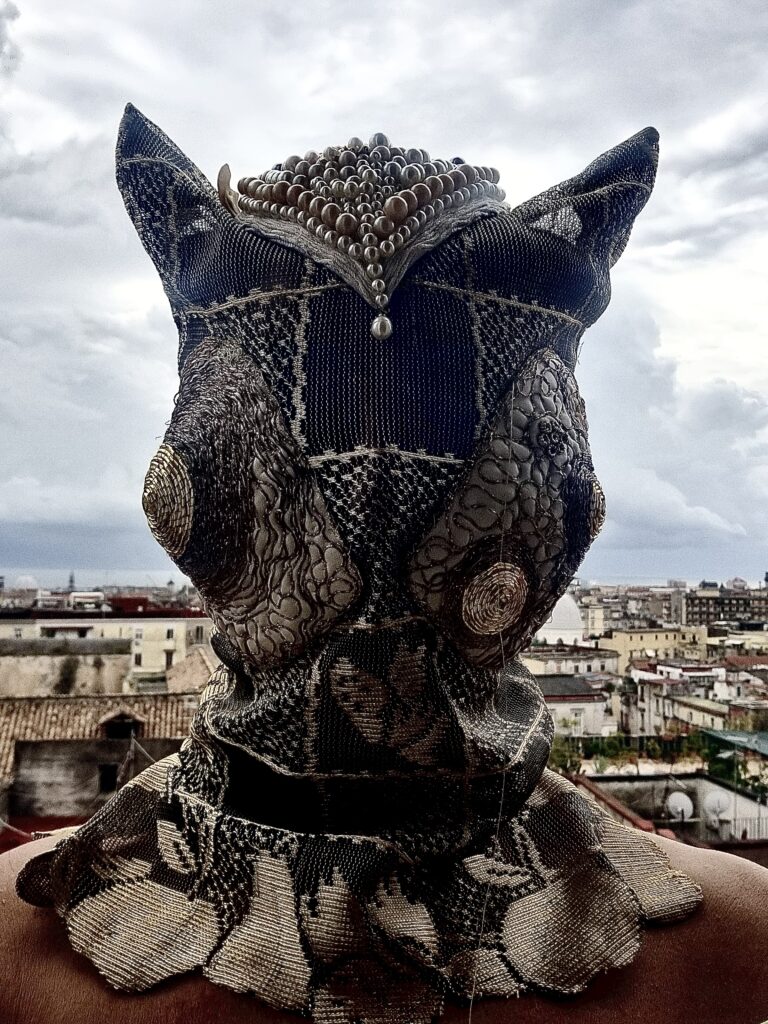
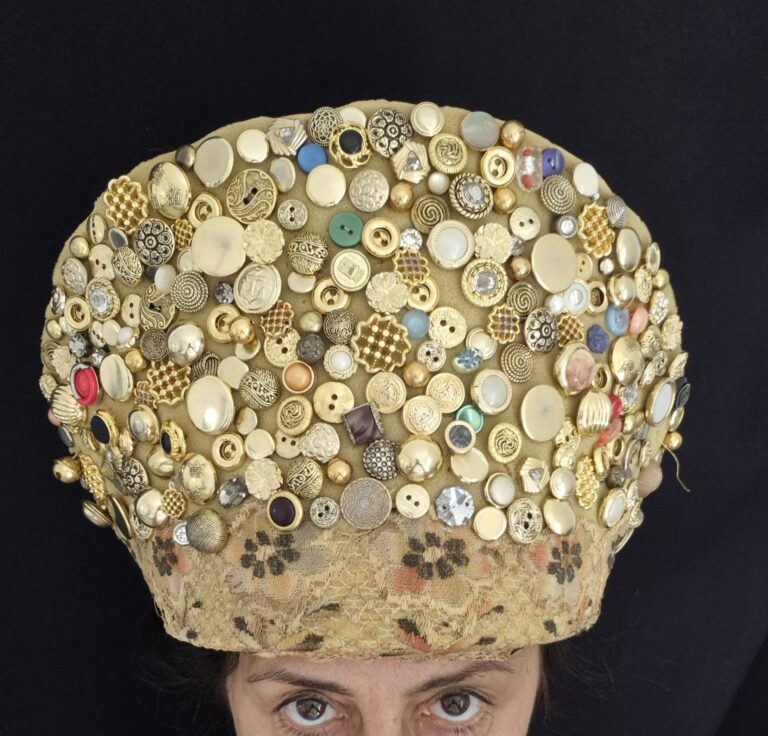
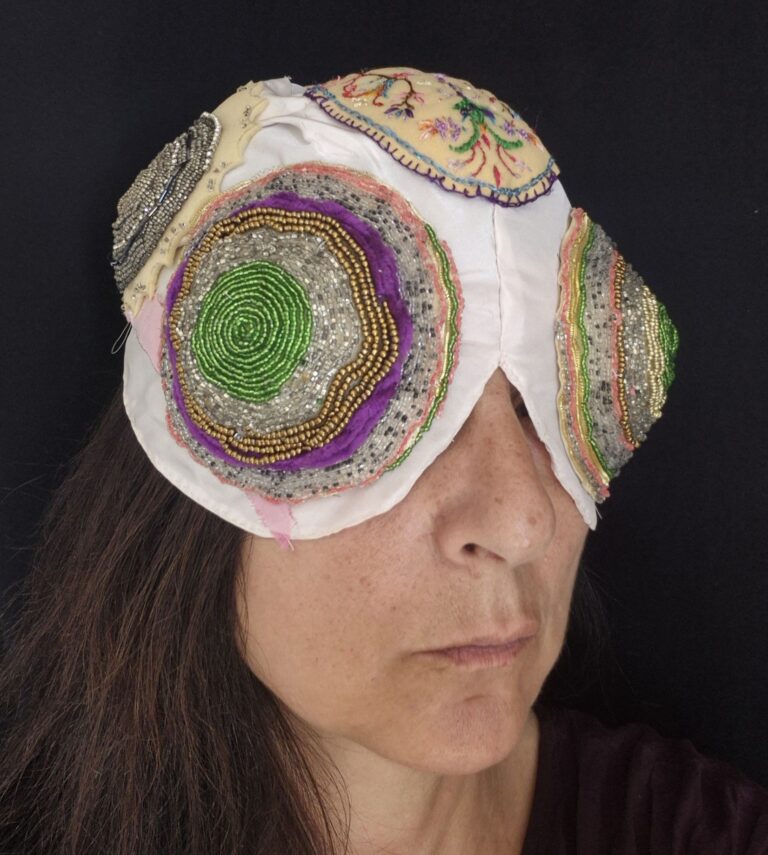
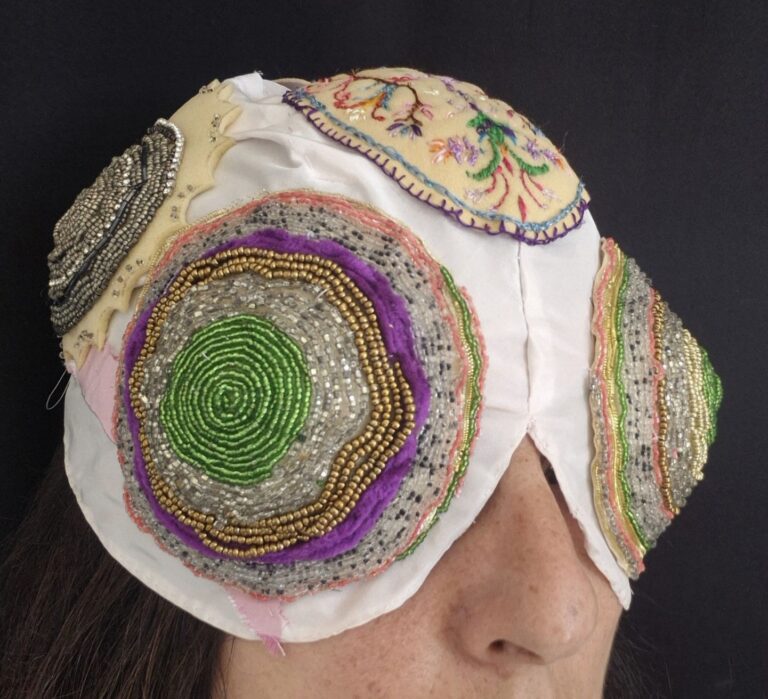
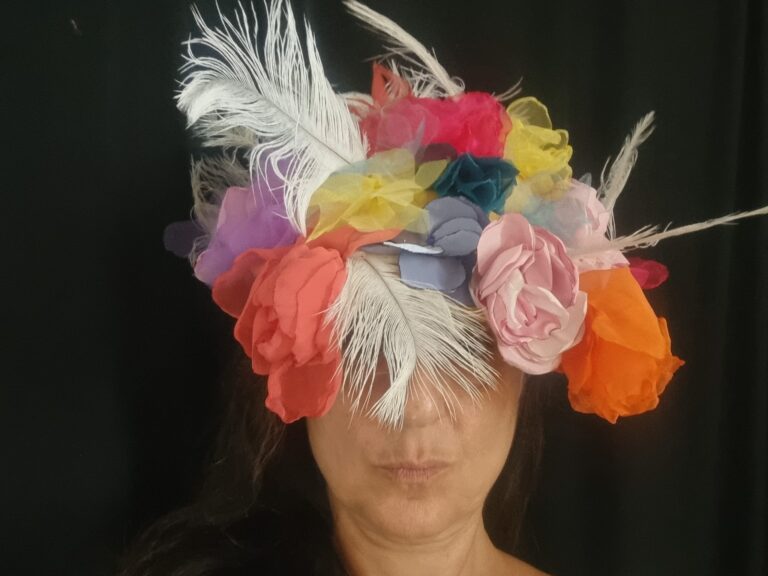
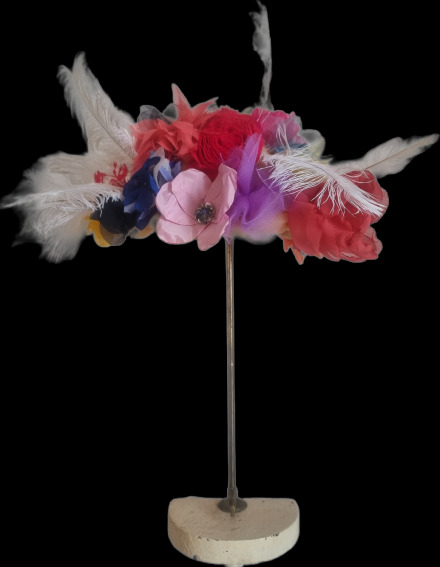
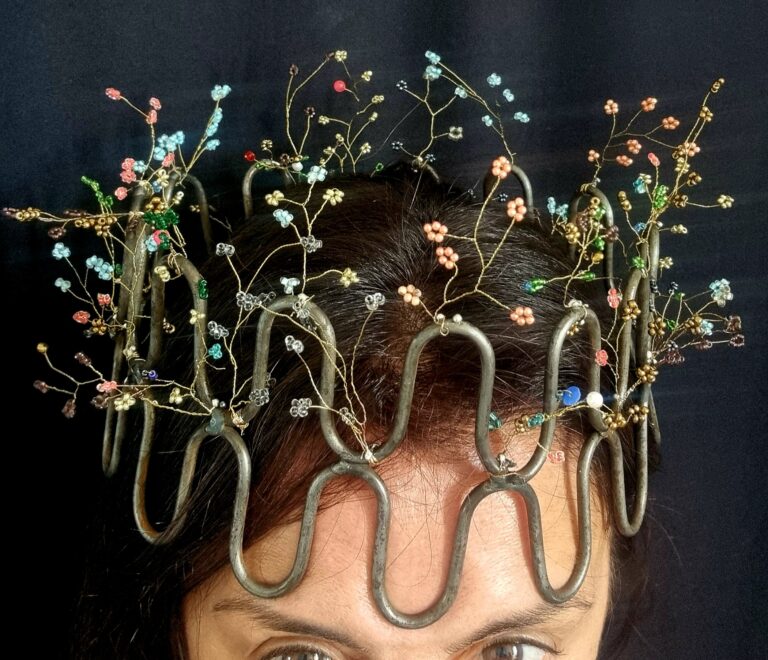
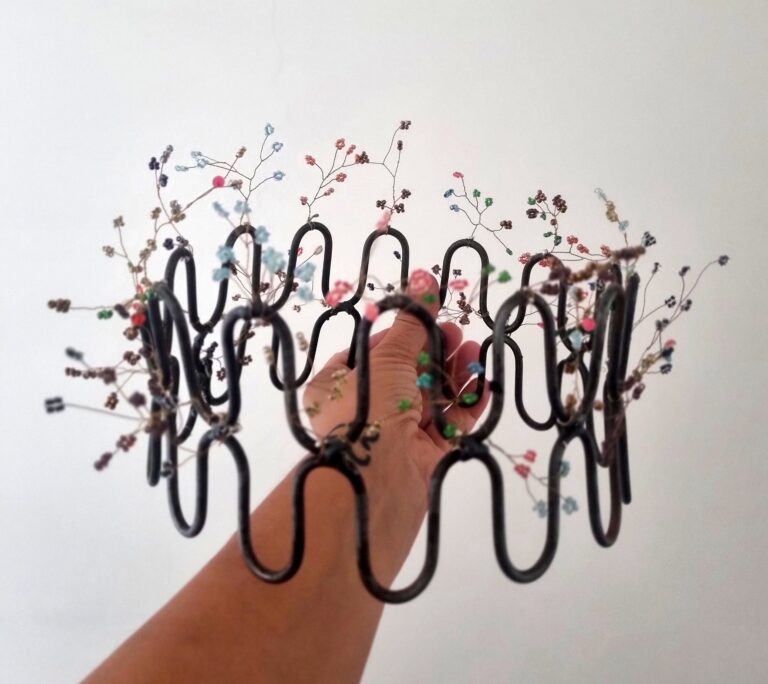
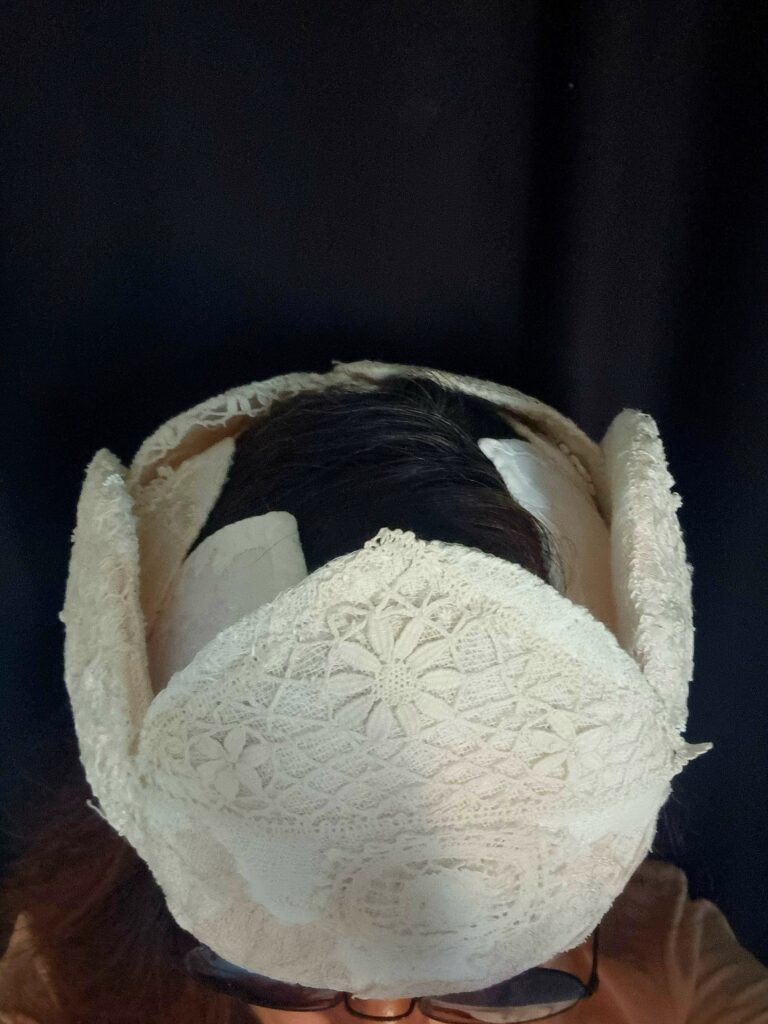
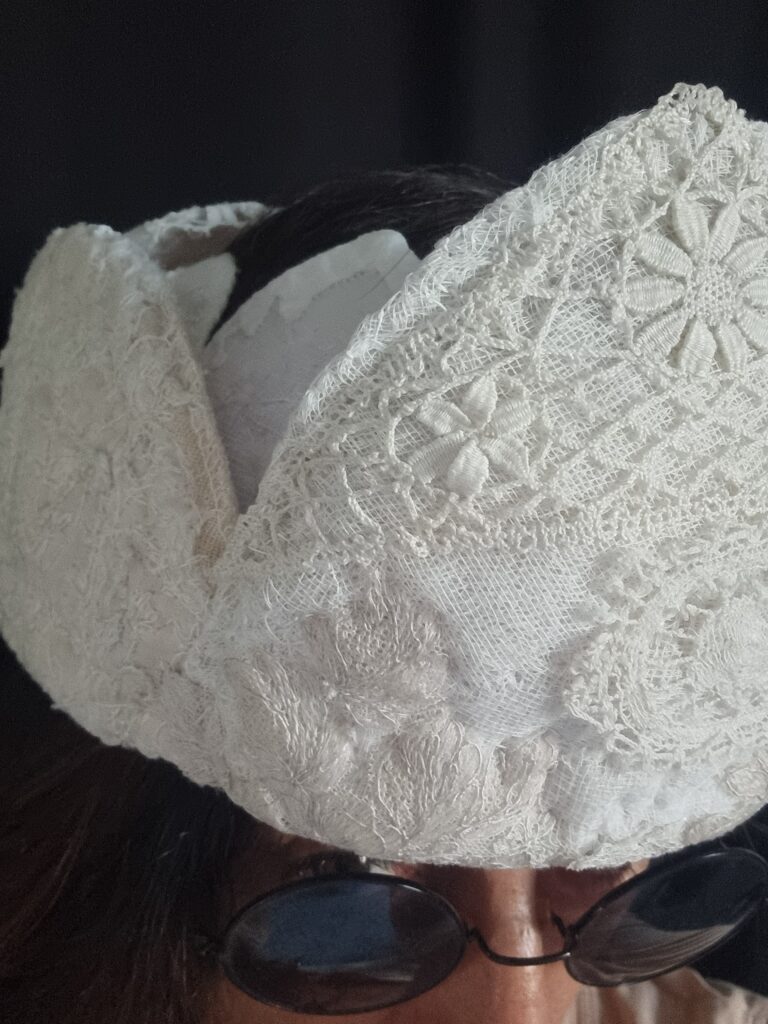
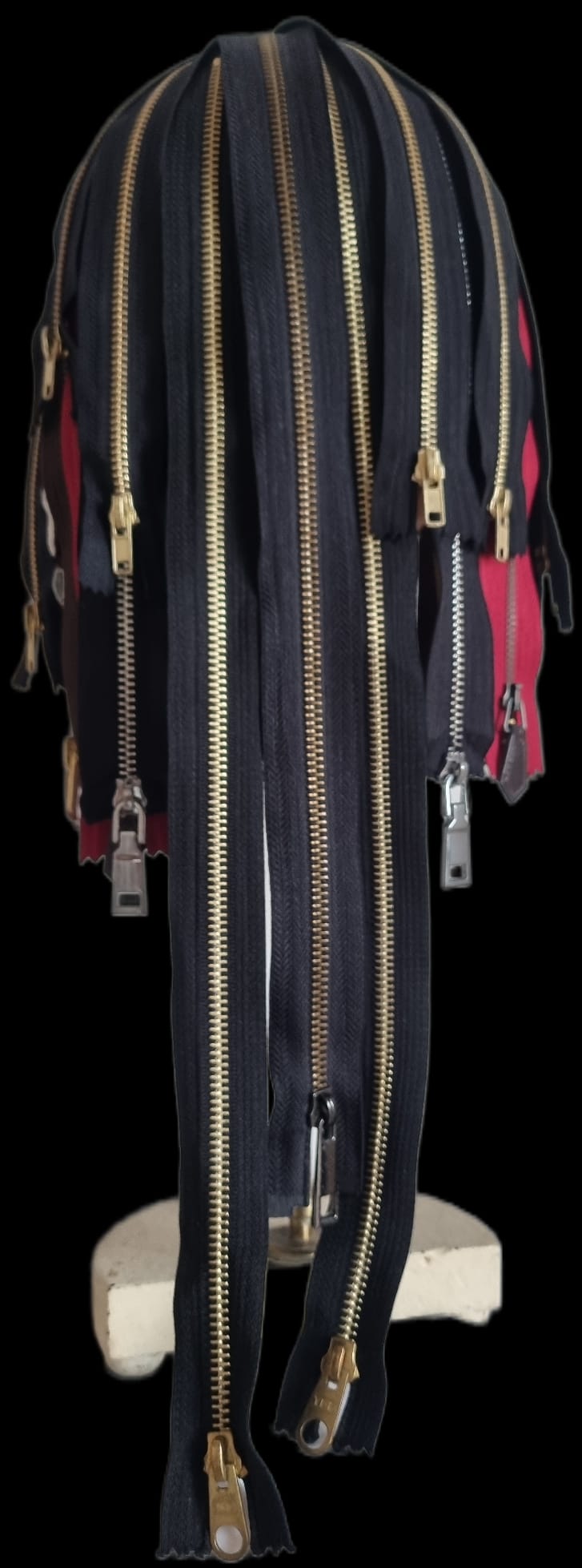
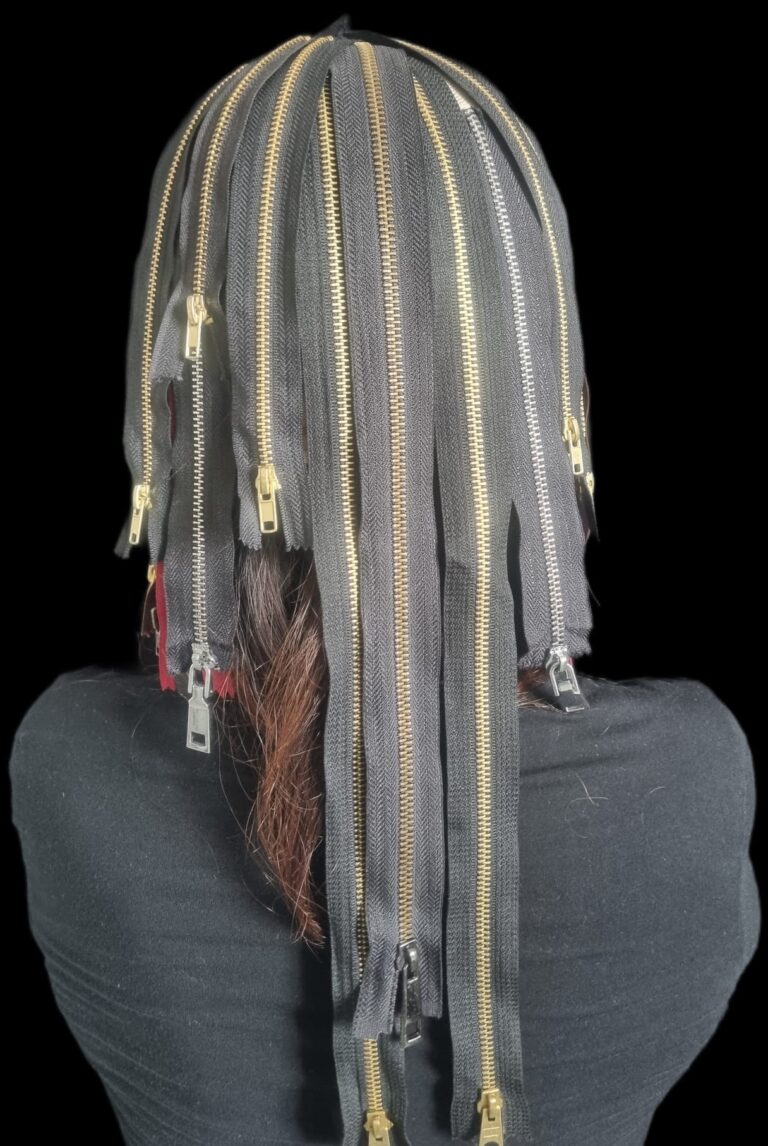
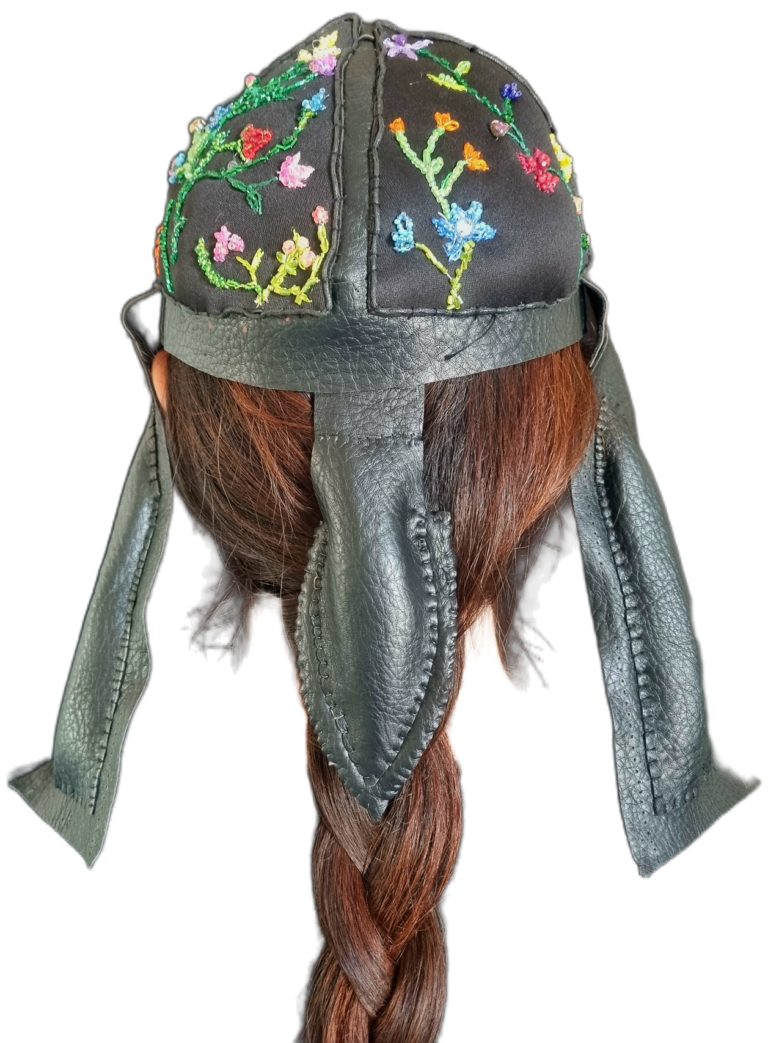
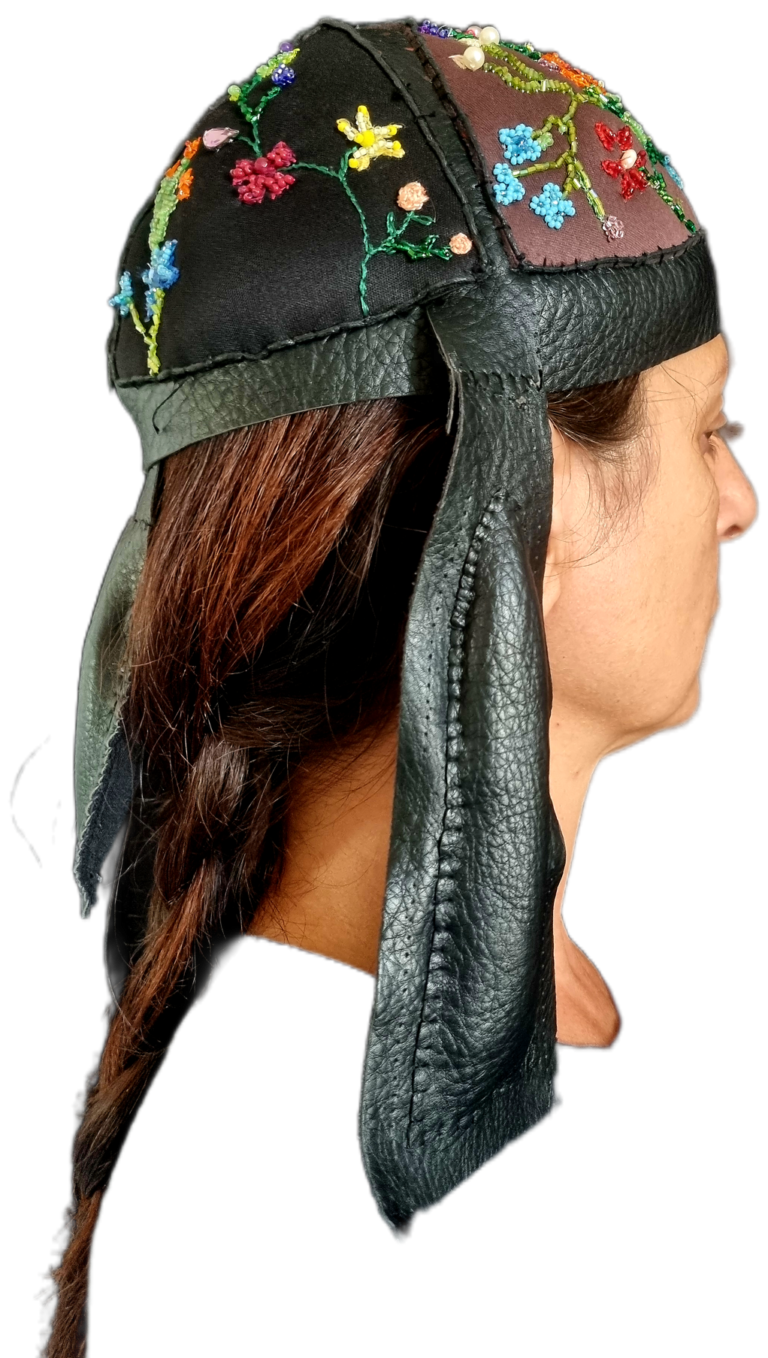
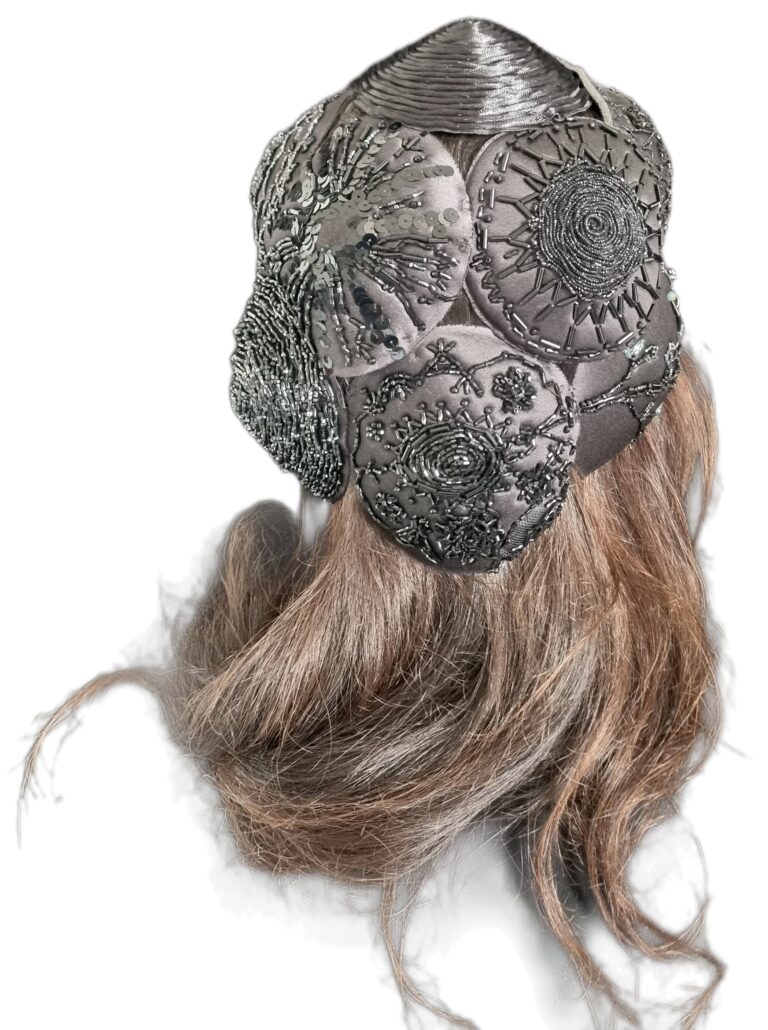
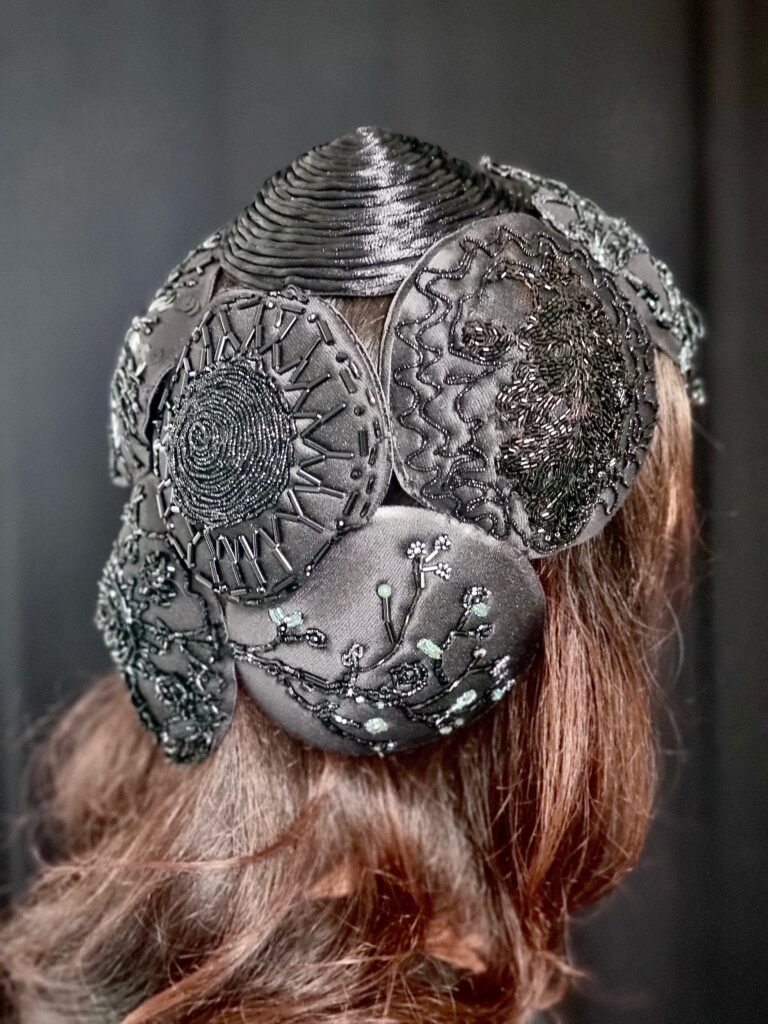
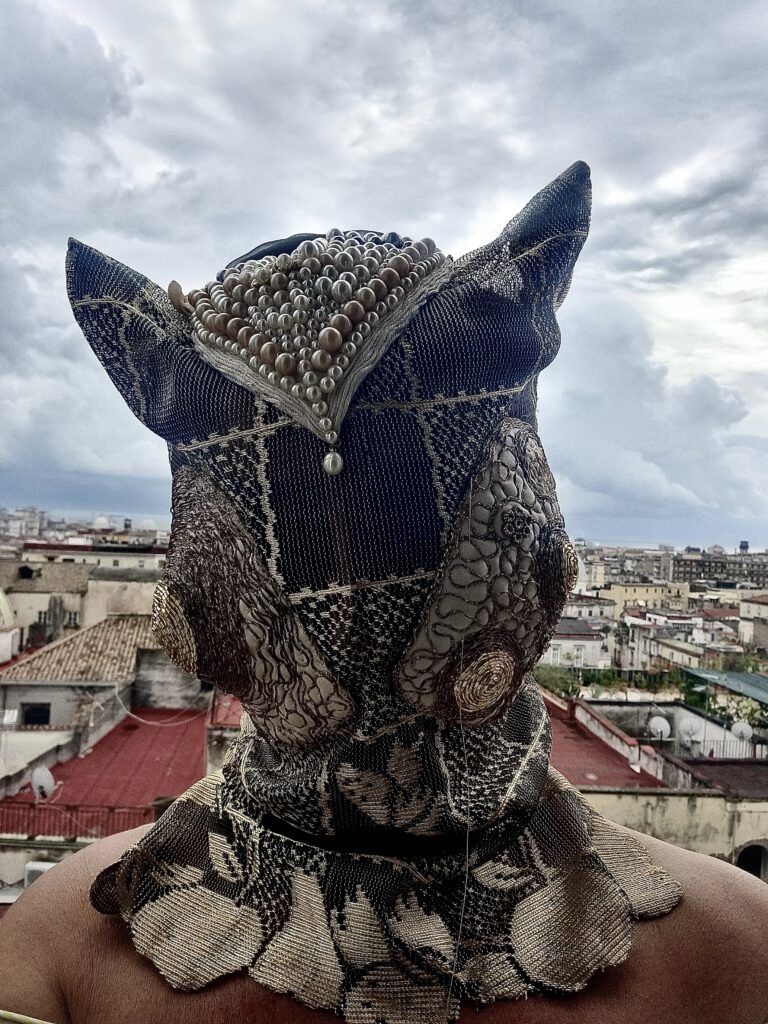
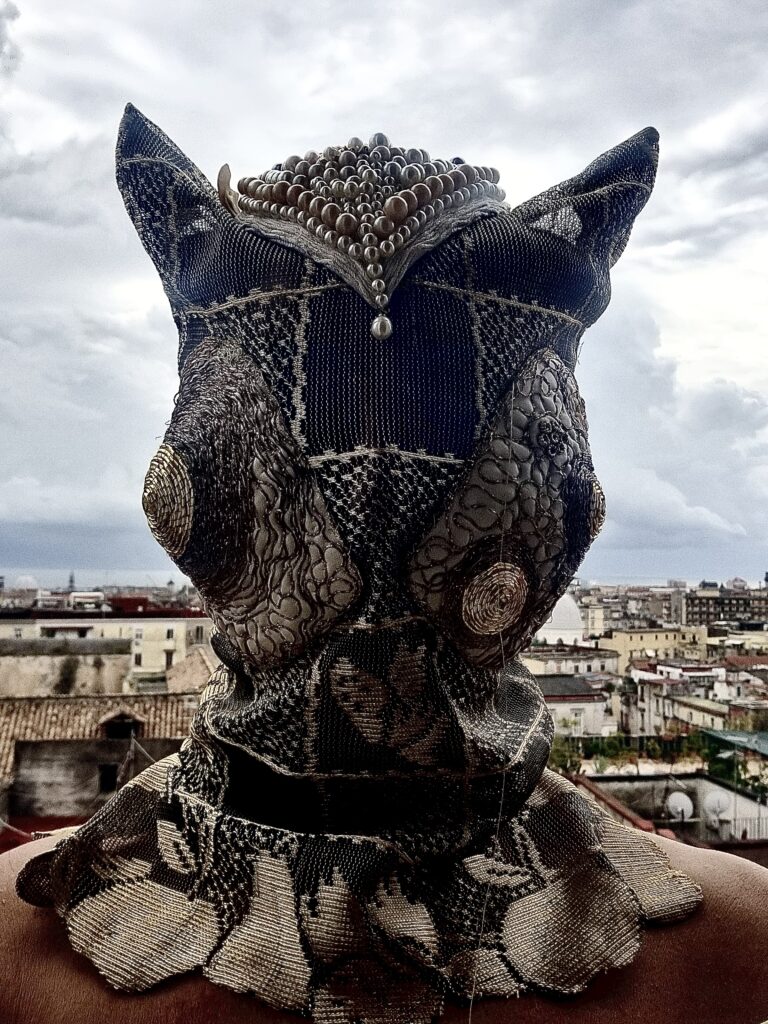
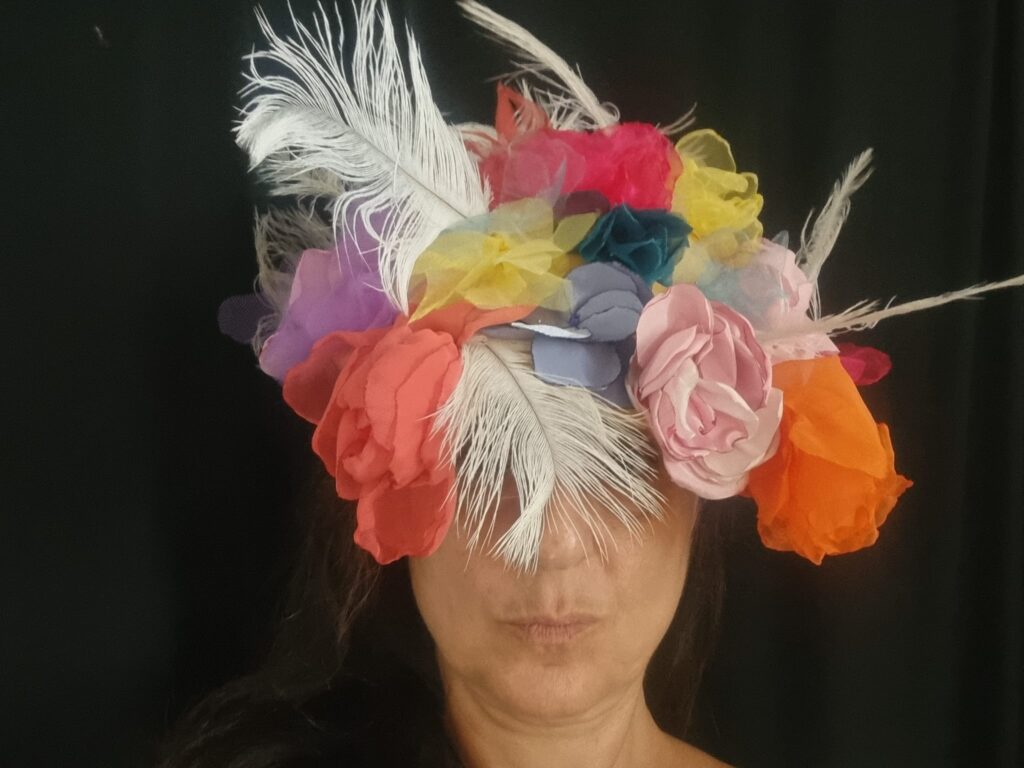
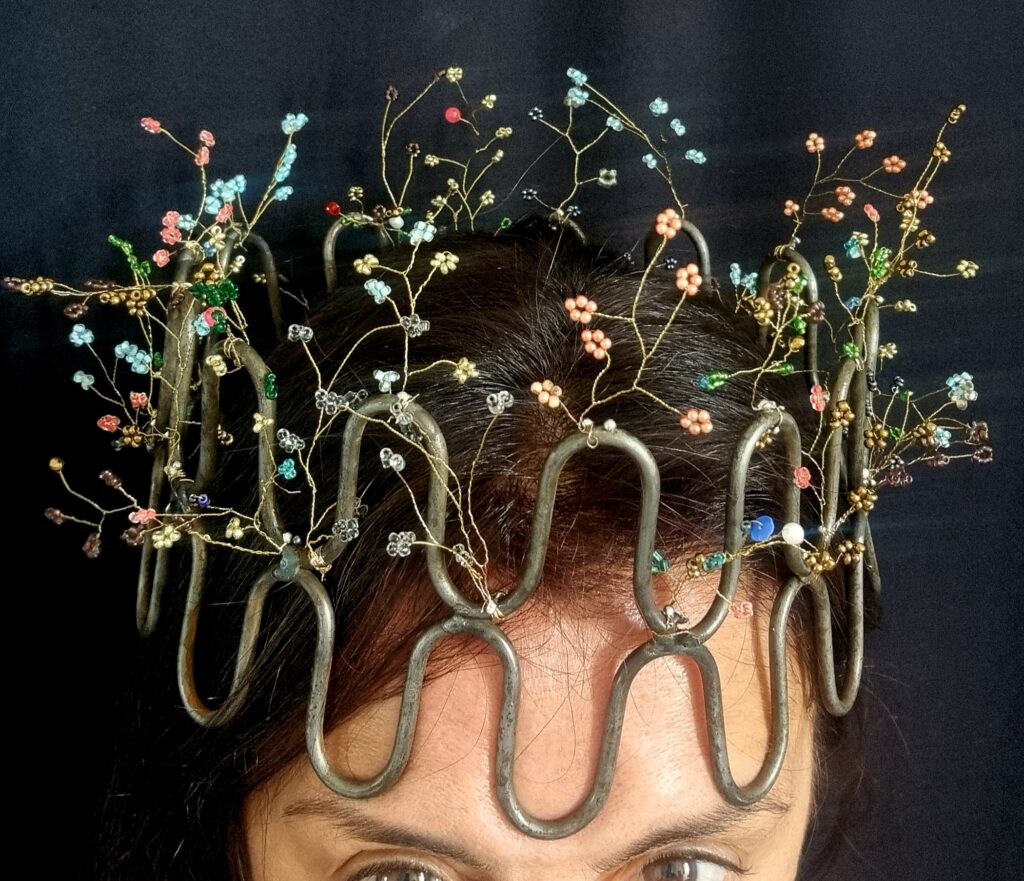
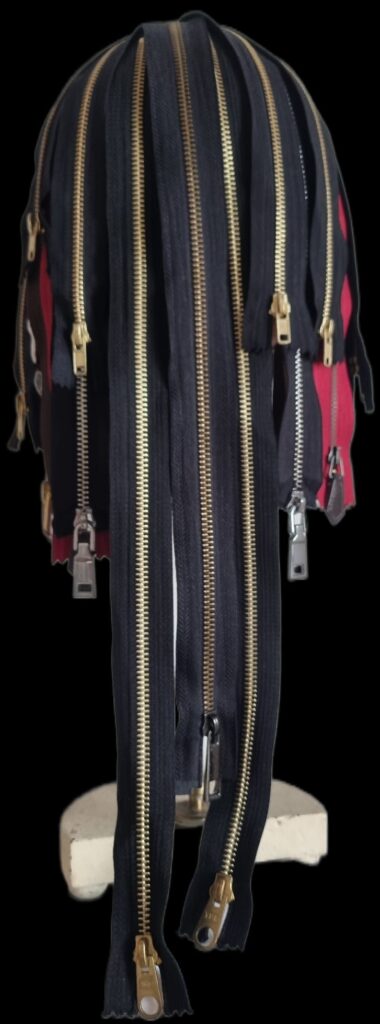
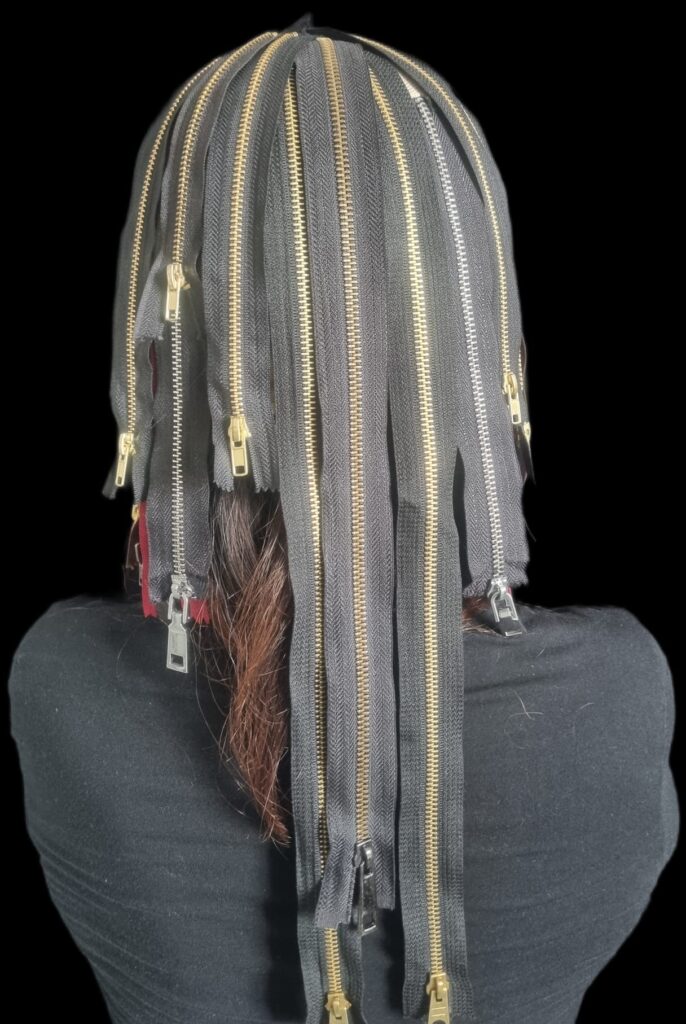
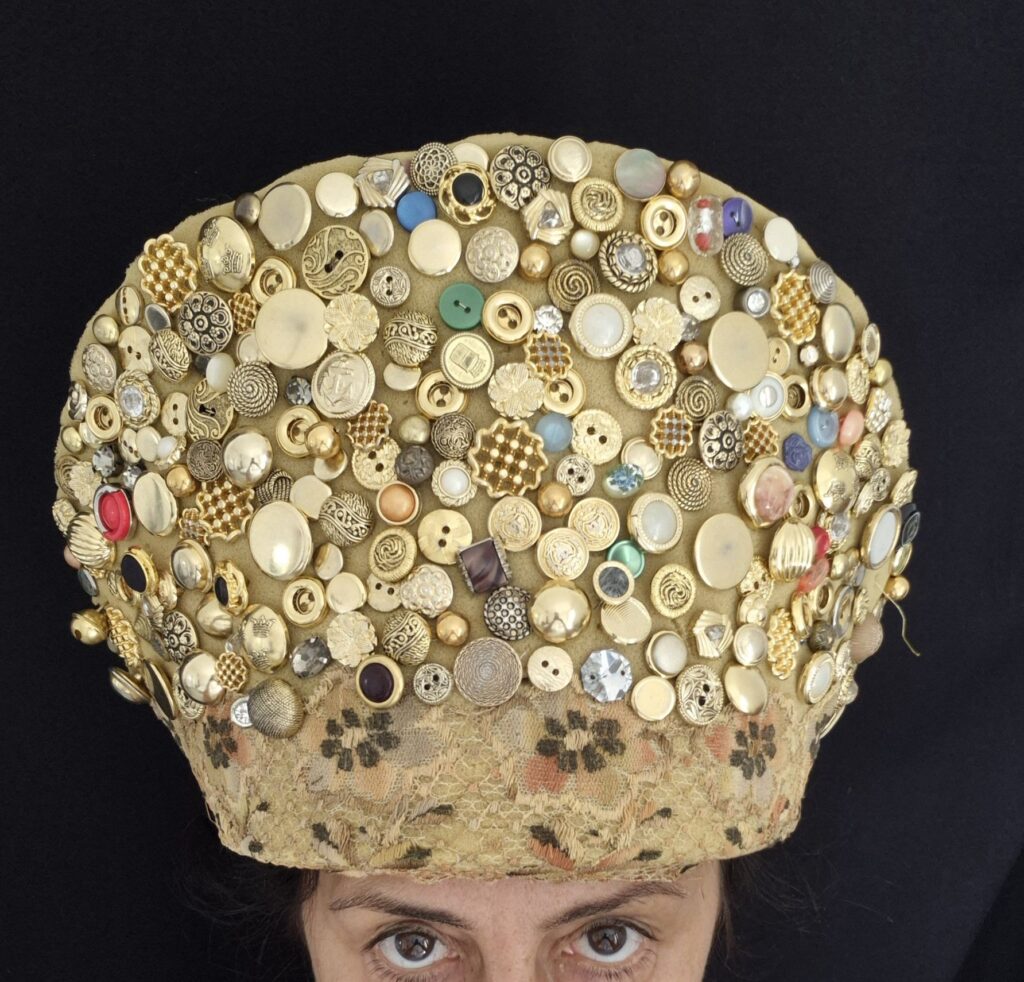
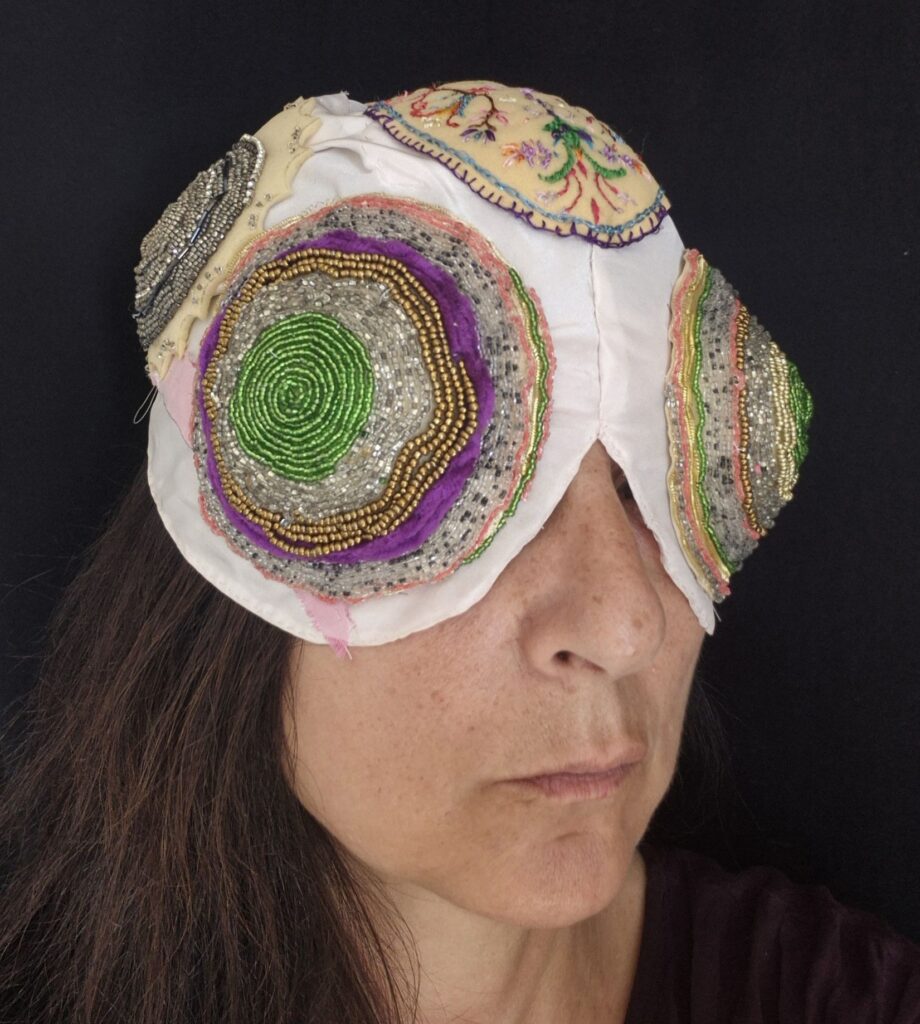
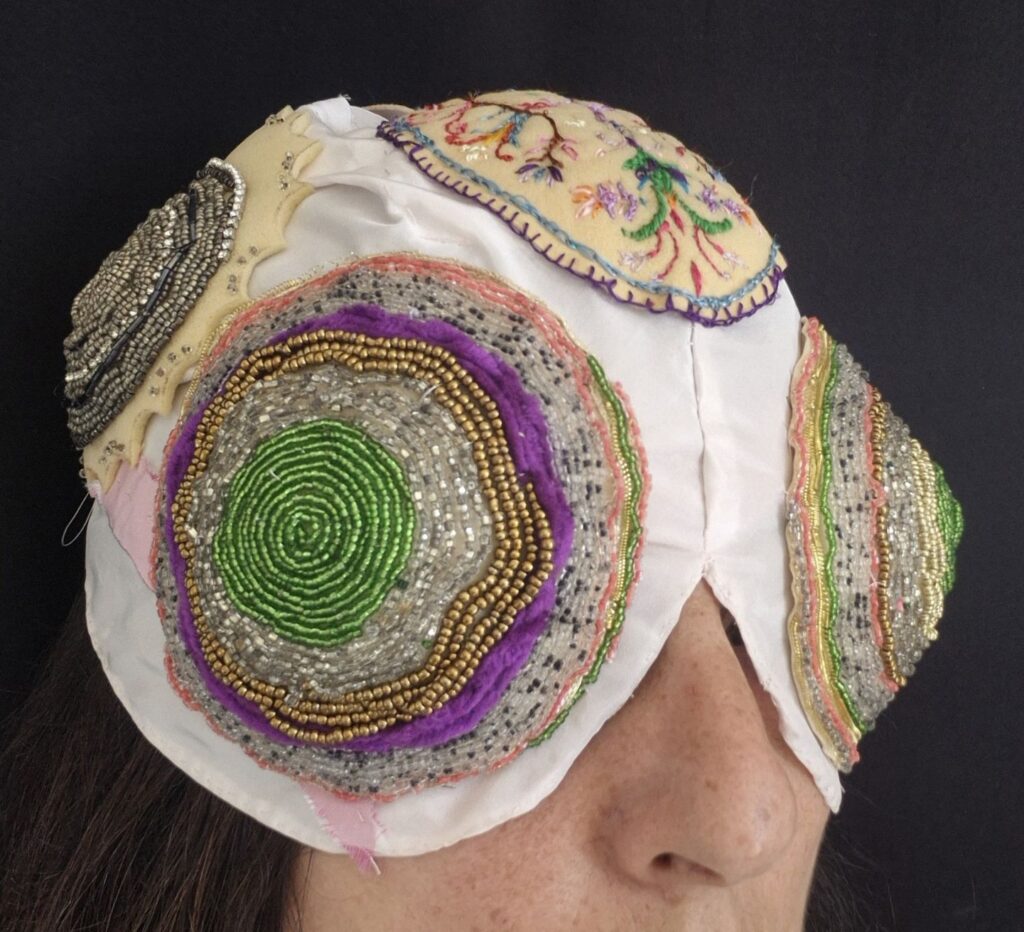
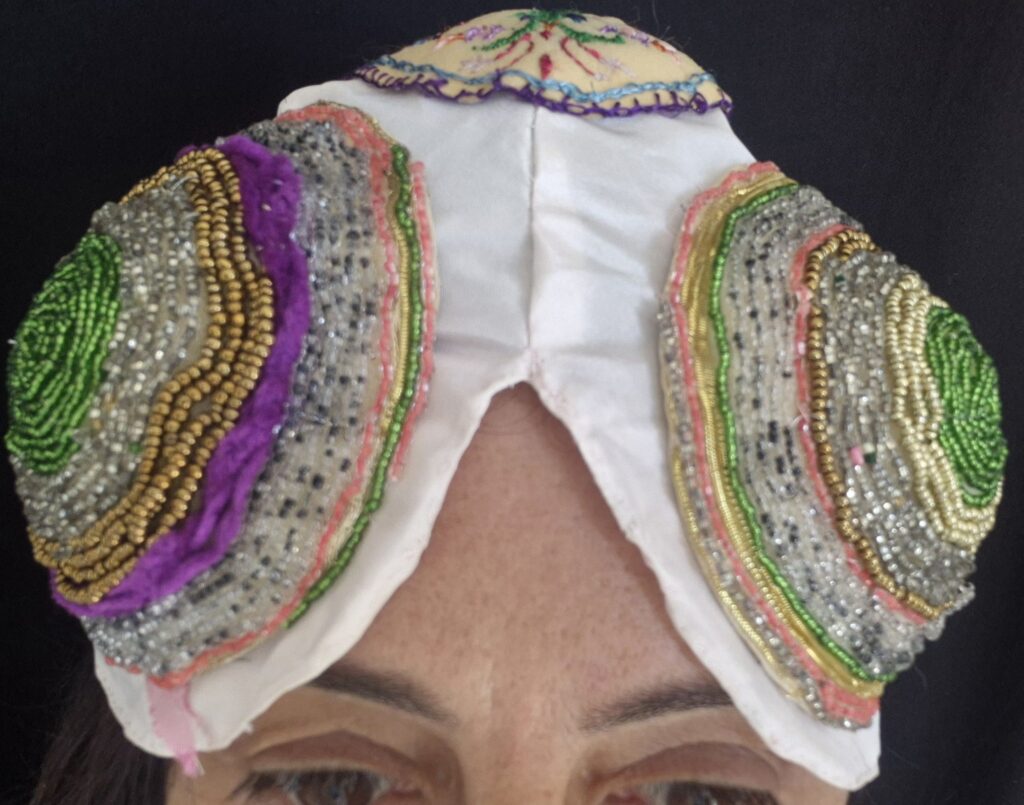
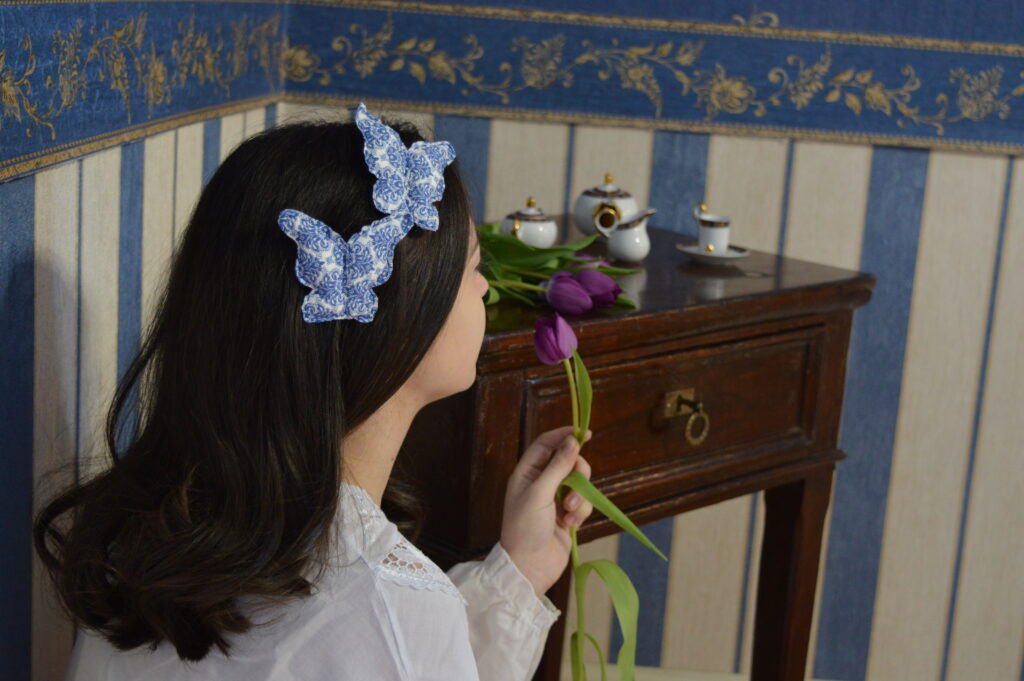
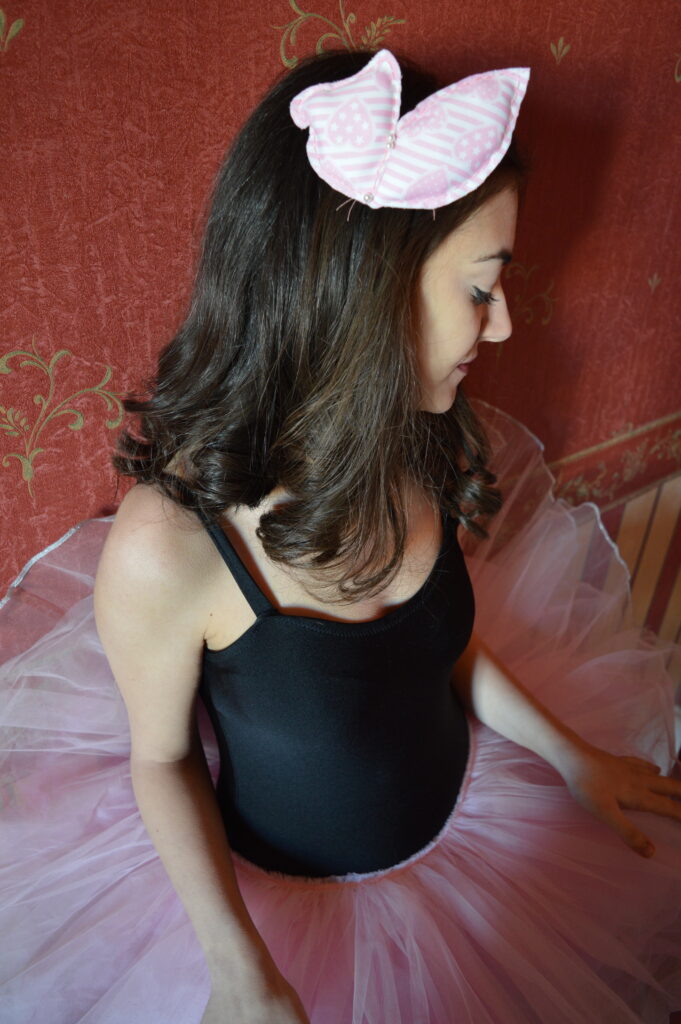
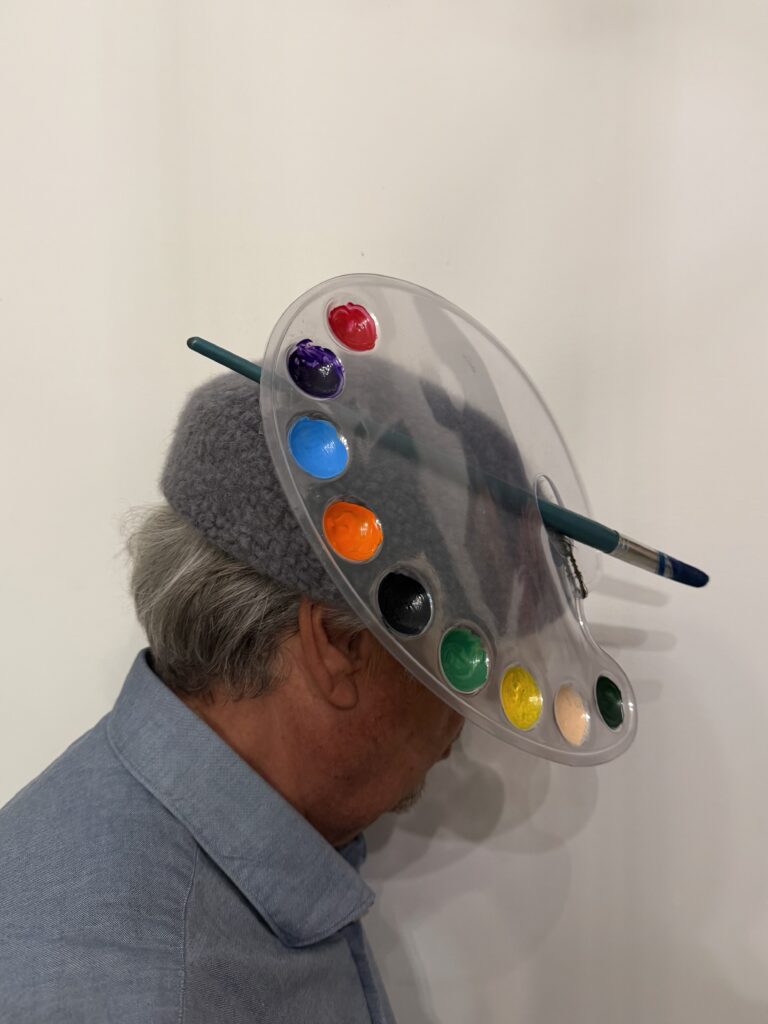
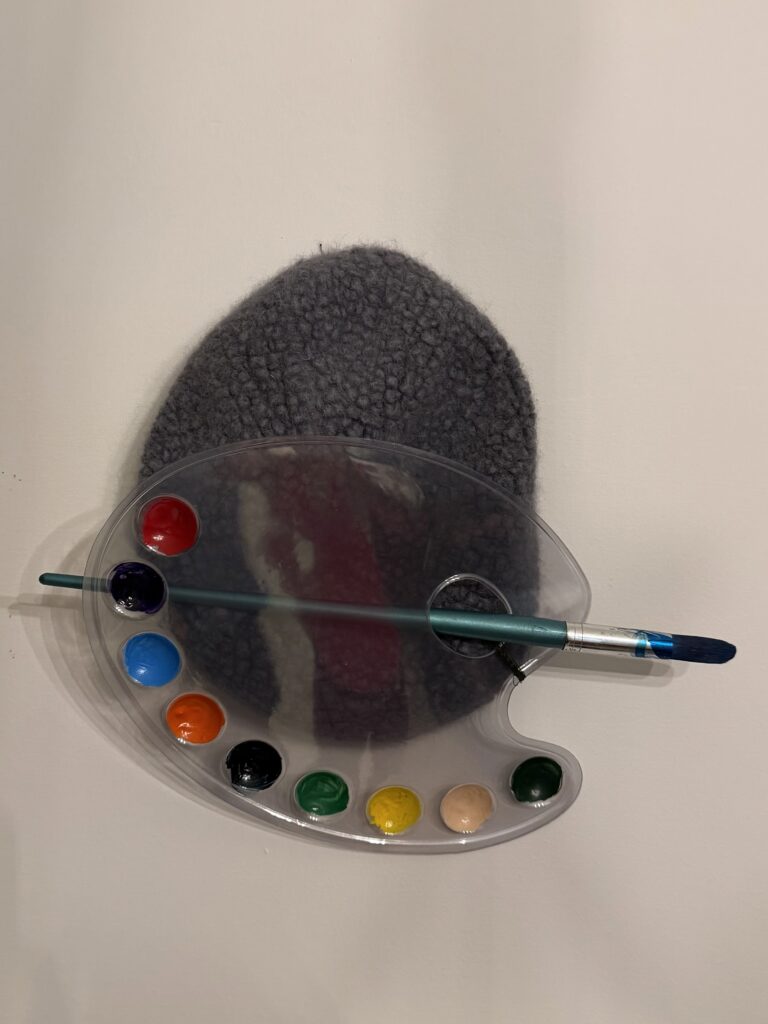
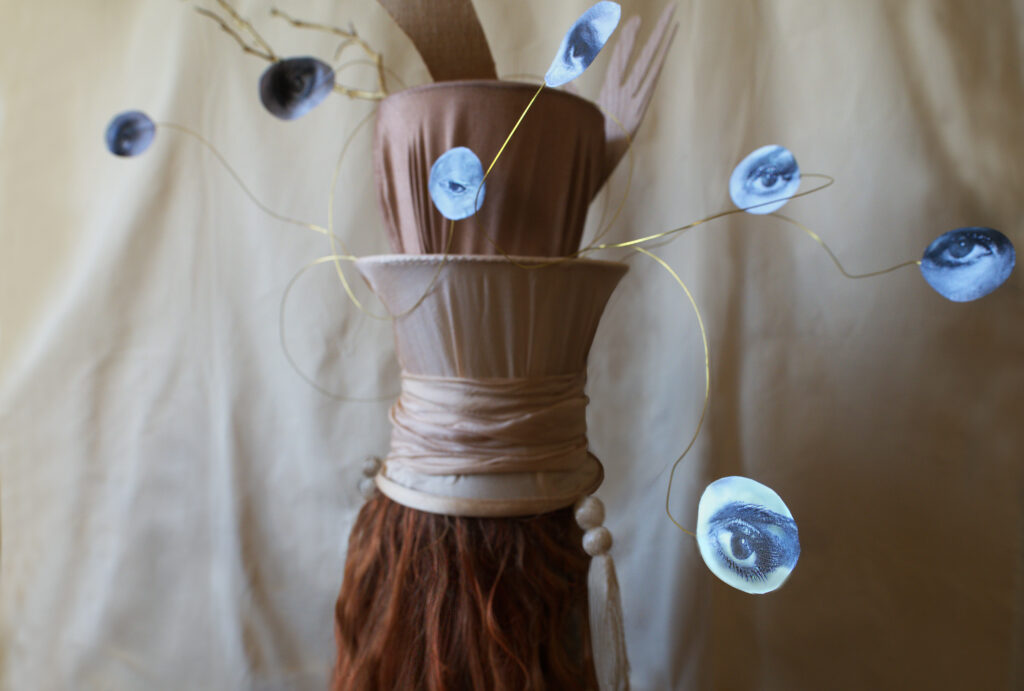
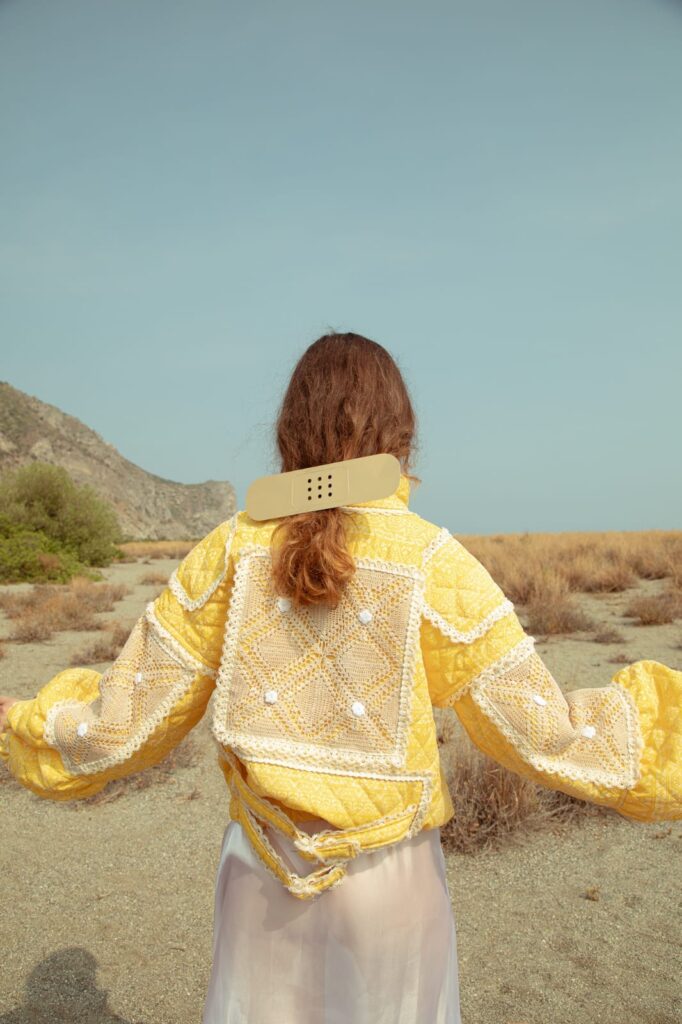
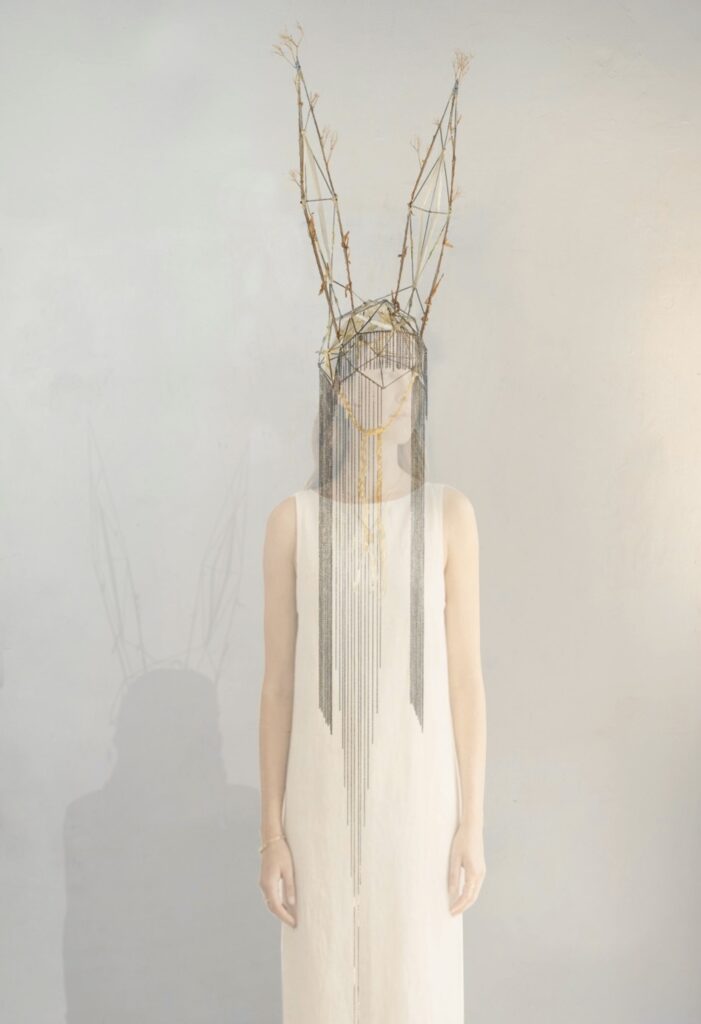
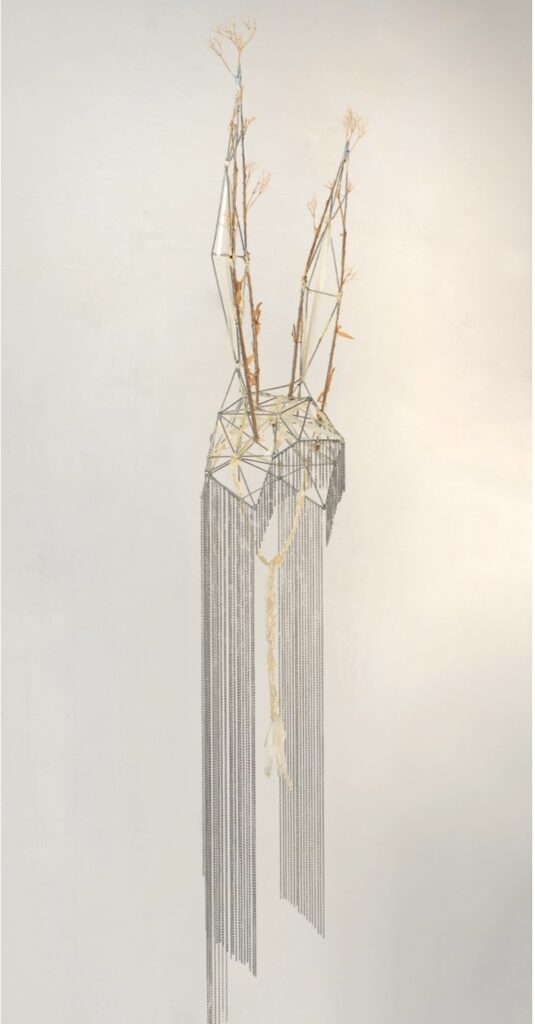
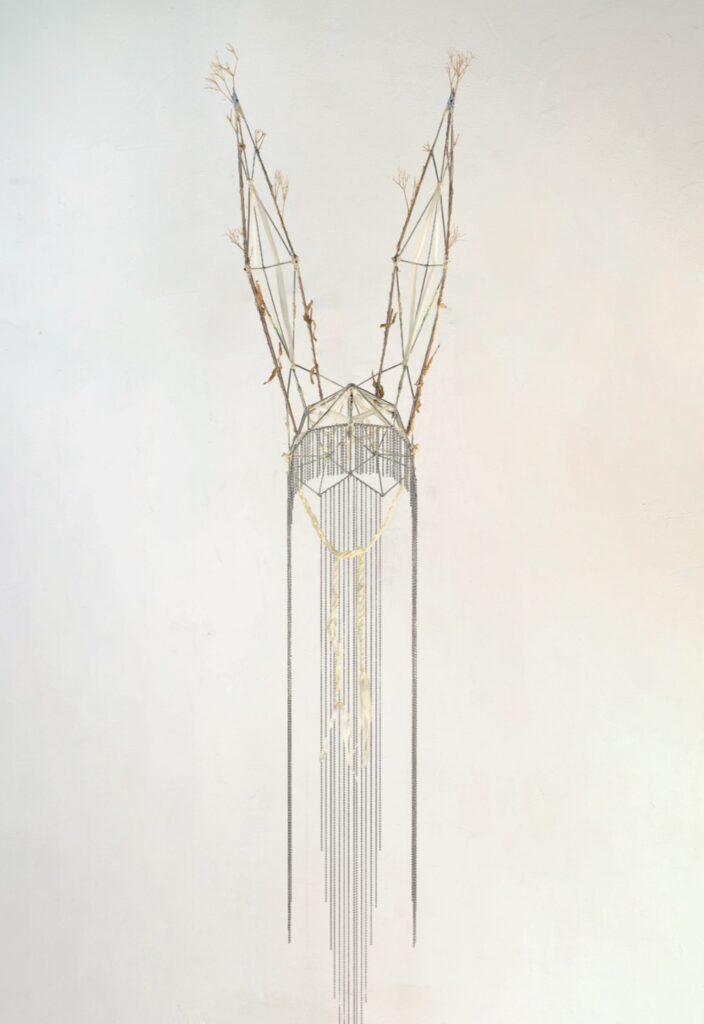
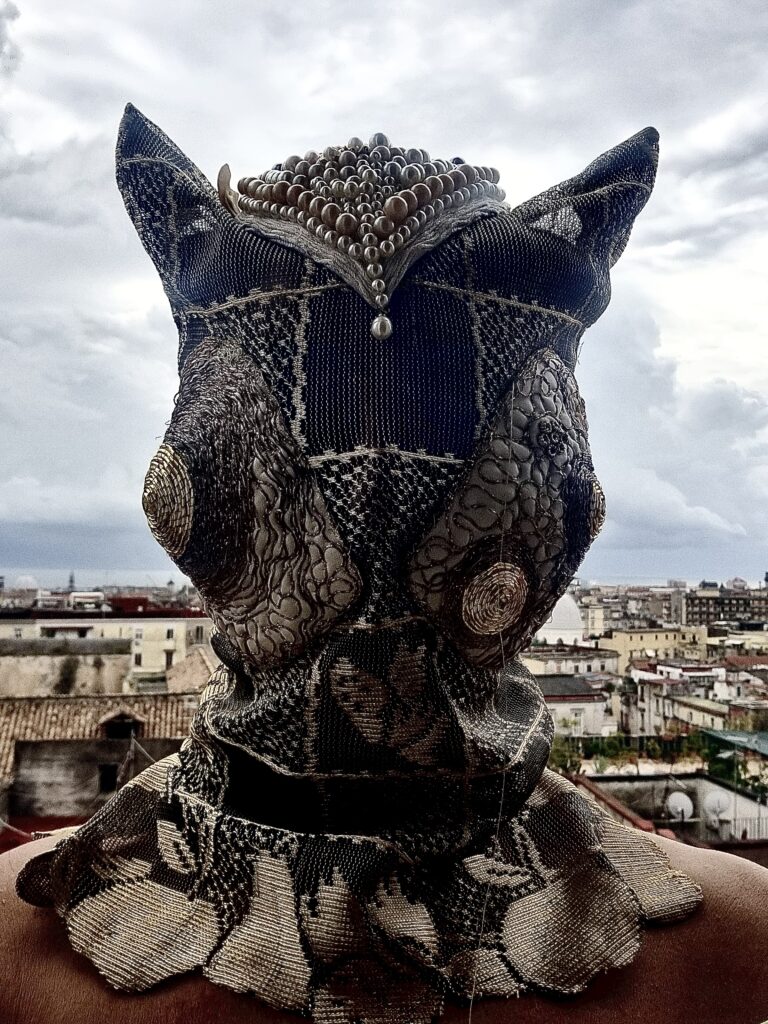
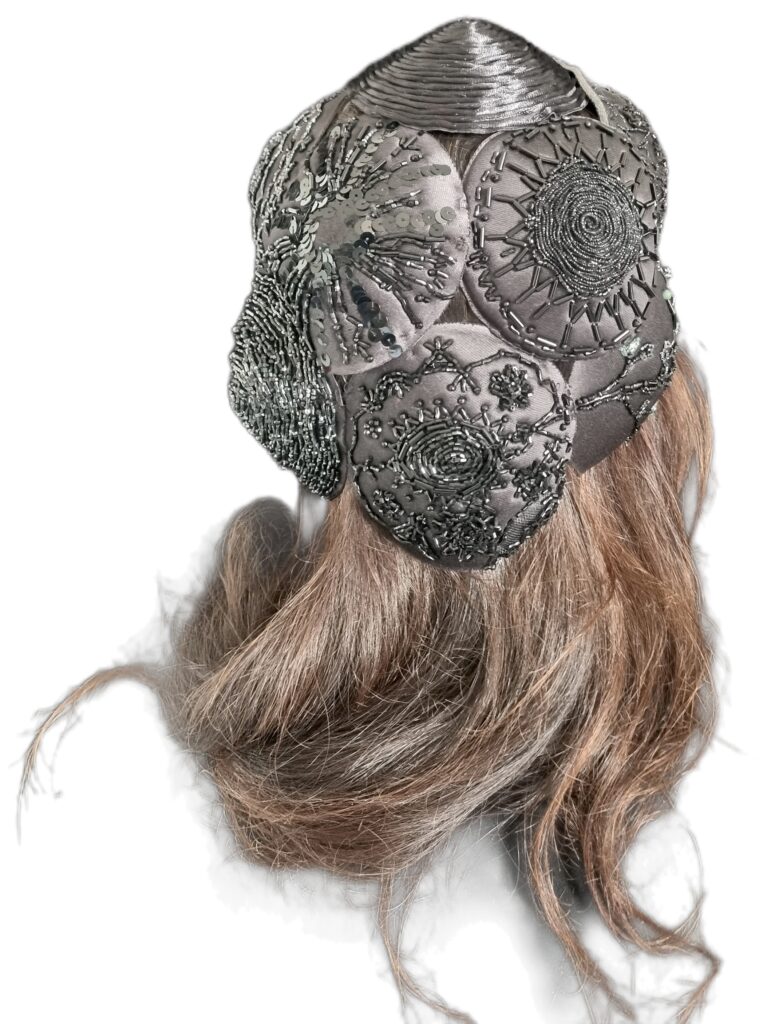
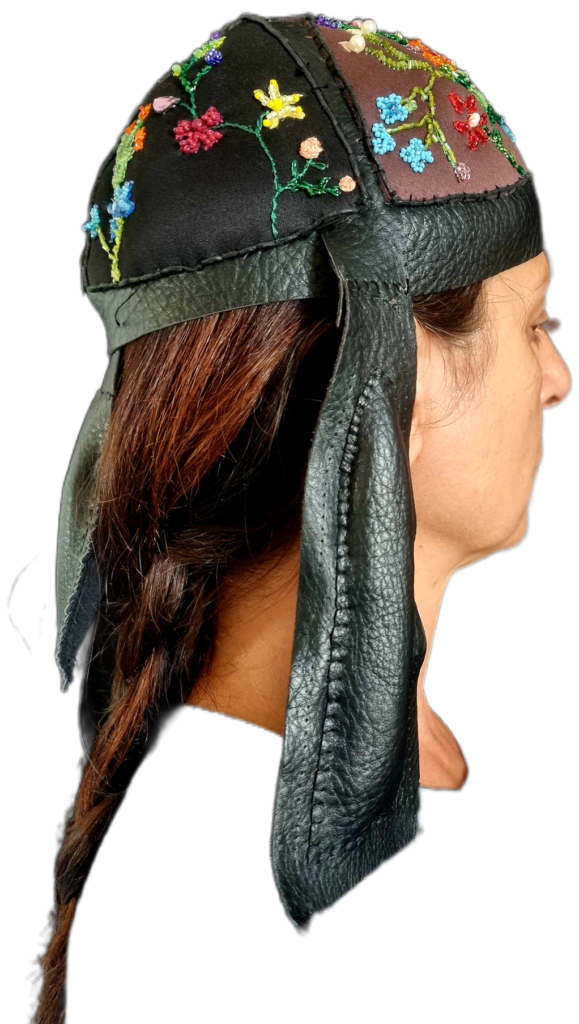
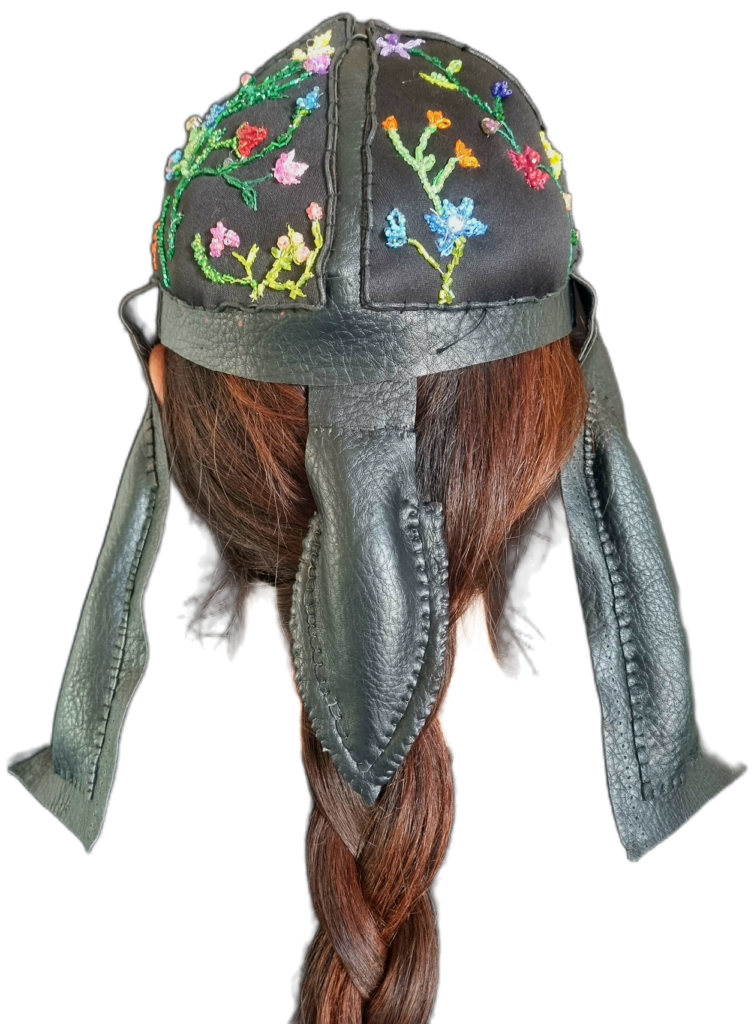
The artworks by RAFFAELLA BALDASSARRE — the Artist who won the “BLOOM. ART FOR HEALING” Open call (launched in January 2026, with a submission deadline of July 30, 2026) will be presented as symbolic extensions of thought and emotion. Defying gravity and the limitations of physical matter, these pieces will be worn lightly upon the head, transforming the head itself into a pedestal for the installation. Through sculptural forms, the works translate concepts and symbols related to existential blossoming, spiritual growth, rebirth, and the upward projection of the Self.

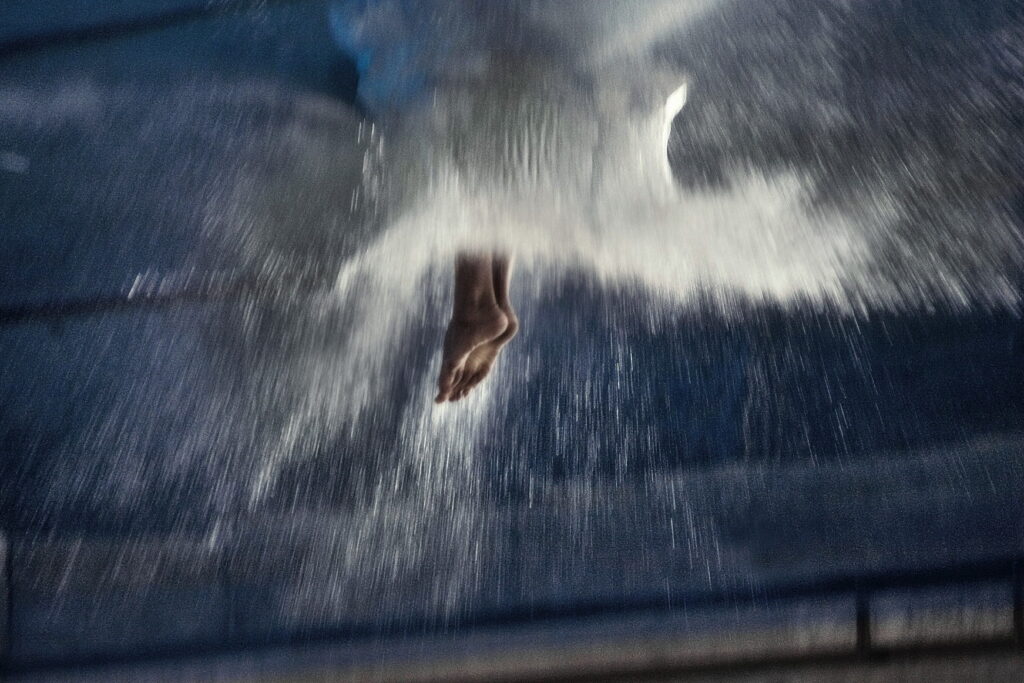
The Audience — a direct co-creator of the artistic experience on an interactive level, an activator of the work’s meaning on an interpretive level, and a physical, experiential participant on an active level — will be involved in a dynamic, transformative, and therapeutic Performance taking place at 7:30 PM.

BLOOM. ART FOR HEALING

Opening: October 30, 2026, 7:00 PM – 9:00 PM

Exhibition: October 31, 2026 – November 20, 2026, 3:00 PM – 7:00 PM

Accreditation is mandatory to attend the event.

RSVP | Monica Candela | monica.candela@fasv.it

Press Office| Carlotta Thione | carlotta.thione@fasv.it

Raffaella Baldassarre, Ipazia. Centrino, coppe di spugna, corallo, perle, catena. Ricamato a mano, 2026

BLOOM. ART FOR HEALING

“BLOOM. ART FOR HEALING” – VIDEOINSIGHT FOUNDATION – ETS

VIDEOINSIGHT FOUNDATION – ETS – a non – profit institution and pioneer in promoting ART as a means of HEALING for MENTAL and PHYSICAL WELL-BEING – launched the “BLOOM” Open Call on January 4, 2026 with a submission deadline of July 30, 2026. The project integrates Installation and Performance, evoking the act of blooming as a path to well-being.

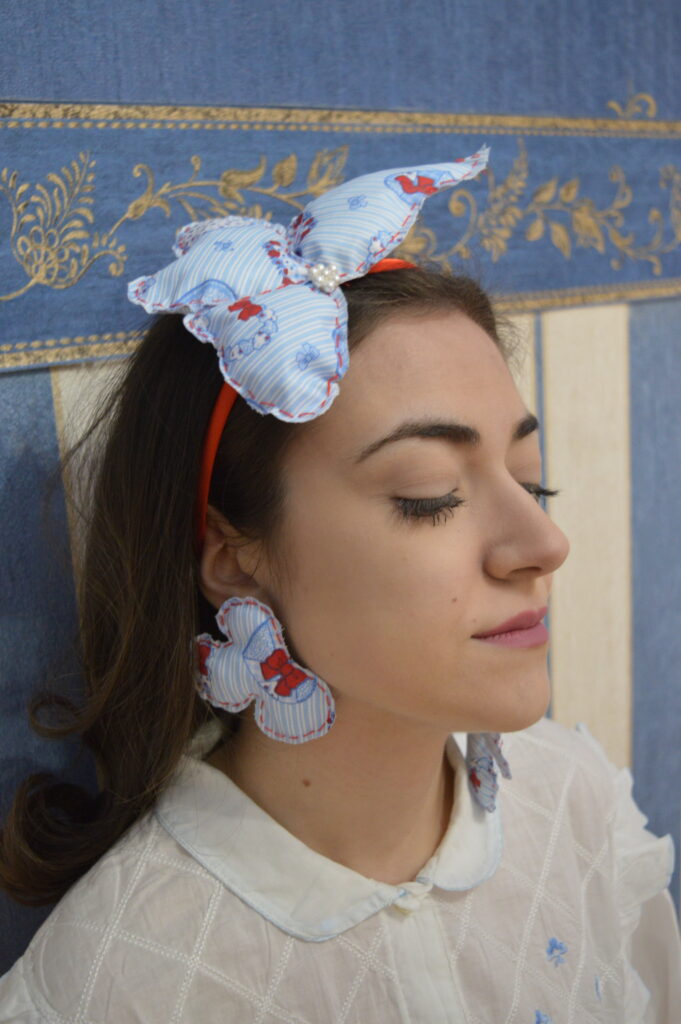
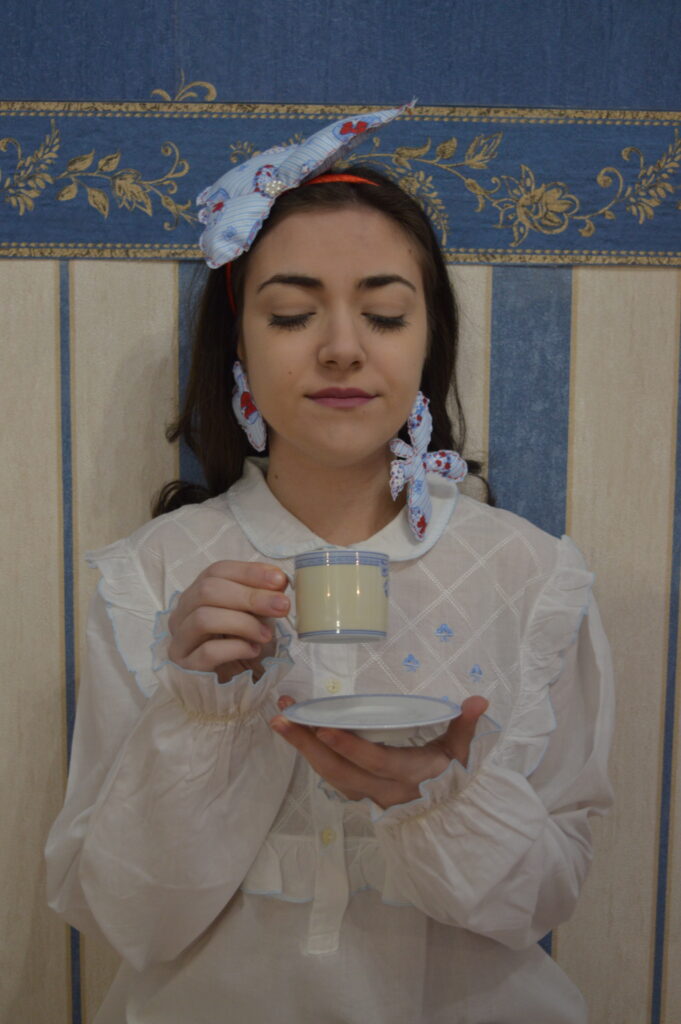
Artists are invited to defy gravity and the boundaries of material, creating lightweight artworks designed to be worn upon — and to inhabit — the head, which is reimagined here as a pedestal for installation. The winning artworks — symbolic extensions of thought and emotion — will take center stage in a transformative, therapeutic Performance. Rather than being displayed statically, they will be worn on the heads. In this exclusive performance, the movement of the body will breathe new life into the artistic objects. The head — the center of the nervous system and the seat of the psyche — will become a living pedestal for works that uplift, emancipate, save, and heal. These Installations will translate concepts and symbols related to spiritual growth, rebirth, and the upward projection of the Self into three-dimensional forms.

The Artists who have passed the FIRST SELECTION are

Giulia Elisabetta Sofia Agnone, Raffaella Baldassarre, Teresa Cicero, Luisa Raffaelli, Leonardo Ulian.

The Performance will take place during ARTISSIMA 2026 at the Videoinsight® Foundation – ETS,

Via Ferdinando Bonsignore 7, Turin.

VIDEOINSIGHT® SKIN CARE

Videoinsight® Prize 2026

Videoinsight® Prize 2026

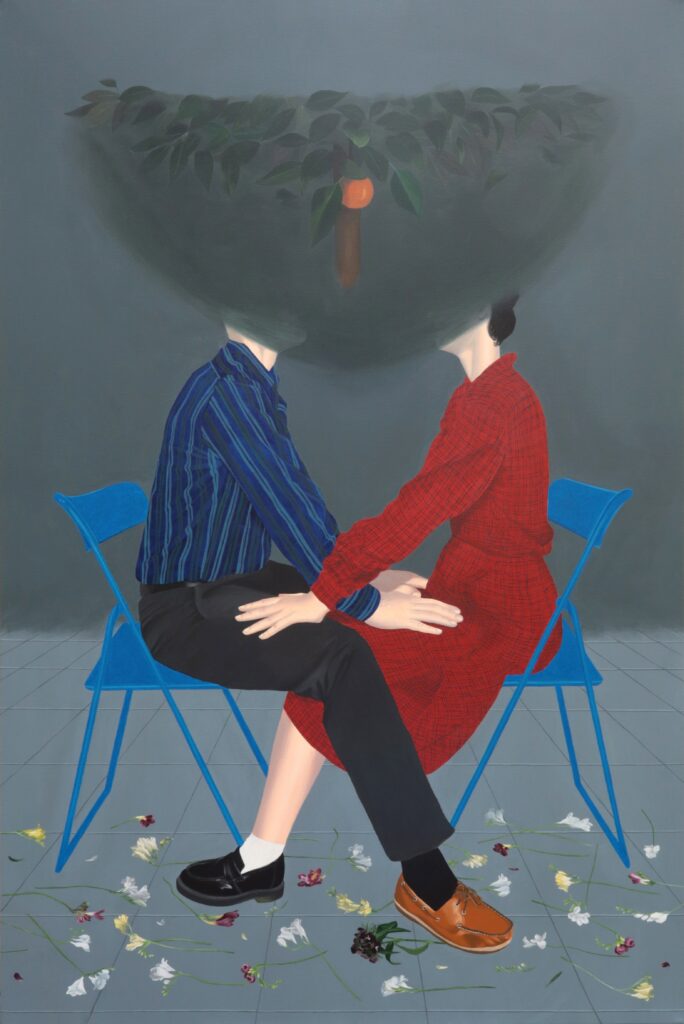
Irene Balia (Iglesias, 1985) is the winner of the Videoinsight® Prize 2026 with the work “Mezz’ombra” (acrylic on canvas, 150 x 100 cm, 2025–2026, Videoinsight® Collection).

The prize — promoted by the @videoinsightfoundation, established in 2010 and now in its sixteenth edition — recognizes and champions artistic practices that foster health, care, longevity, and psychophysical well-being. The work “Mezz’ombra” fully embodies the mission of the Videoinsight® Foundation – ETS: it transforms the aesthetic experience into a therapeutic and evolutionary process; it engages with the most intimate and latent aspects of human experience; and it sparks immediate emotional resonance, insight, and profound inner integration in the viewer.

The piece stood out for its extraordinary narrative delicacy, psychological depth, and the unsettling power with which it explores the “shadow zones” of the psyche and emotional memory. Through refined visual exploration, the allure of magical realism, and the evocation of ritual, the Artist constructs a space suspended between light and semi-darkness — a space that becomes a mirror for the complexities and transitions of the human soul. With an intimate and vibrant painting style, she investigates the human figure, domestic space, and the dynamics of emotional and romantic relationships. The depicted subjects appear suspended in time; their presence invites the viewer to engage in processes of identification and projection. The painted surface becomes an emotional mirror where the observer is invited to explore their own lived experiences, triggering inner insights and resonances. The imagery inhabits a suspended, captivating realm where it transforms into formal synthesis, dreamlike atmosphere, and profound psychological inquiry.

The perspective on relationships is dispassionate and ironic; the narrative, mysterious. Everyday life is recast in a dreamlike dimension: domestic reality and human figures are not rendered as realistic portraits but are reimagined through a subtly surreal filter. Interiors, subjects, and botanical elements serve as theatrical backdrops for an internal narrative, where the ordinary takes on an ambiguous, evocative, and elusive quality.

The painting favors a minimal, two-dimensional structure; boundaries are fine, and forms are defined by clean, sharp, delicate lines, while fields of solid color precisely delineate volumes and background. Emptiness and visual reduction are not mere absences but substantive elements charged with emotional tension and silence. Through a carefully chosen palette — featuring saturated, refined application and rich, dense colors — the Artist creates an atmosphere of seemingly calm enchantment that conceals underlying psychological unease and tension.

The interplay of light and shadow stages the duality of human experience: the visible and the unconscious. The figures appear enigmatic, indecipherable, ambiguous, and unsettling, often veiled by a cloud of smoke. The scene — almost shamanic and elusive at first glance — disorients the viewer yet simultaneously conveys trust and hope.

“There are moments when the path grows dim, the air thickens with smoke, darkness erases our bearings, and fog blurs even the outline of the person beside us. In such conditions of obscurity and disorientation, the instinctive urge is to halt — to perceive the obstacle as a deprivation or an injustice of fate. Yet, it is precisely when the visible landscape fades that a different kind of vision awakens. When sight no longer suffices, a relationship — whether born of love or the act of helping—ceases to be a mere presence and transforms into a vital support structure.
In the apparent void created by uncertainty, the human bond becomes the soil where meaning takes root.Despite the hostile environment, authentic closeness and mutual care allow unexpected fruit to emerge—bringing to light a treasure that would have remained invisible in the full clarity of day. The treasure is never the absence of fog, but the discovery of what we are capable of creating and cherishing as we pass through it. In this process, an impediment ceases to be a mere hindrance and reveals its deeper nature: every obstacle is a benefit. Obstacles do not arrive to halt life, but to compel it to change form—to move beyond the surface and delve into the depths.
Fog and smoke force us to slow down, to listen, and to tune in to more intimate, subtle frequencies. They dampen background noise and compel us to seek out the essential.
They teach us that fragility is not the end of the road, but the fundamental condition for accessing true strength; that it is the very resistance of the soil that allows the seed to break open and give life to the plant. In the helping relationship and in love, the shared hardship thus transforms into a catalyst for change. The ordeal does not erase the value of the experience; on the contrary, it protects, matures, and enriches it, reminding us that the purest light is not the one that illuminates a path already paved, but the one we manage to kindle together within the night.” Rebecca Russo

Sebastiano Sofia

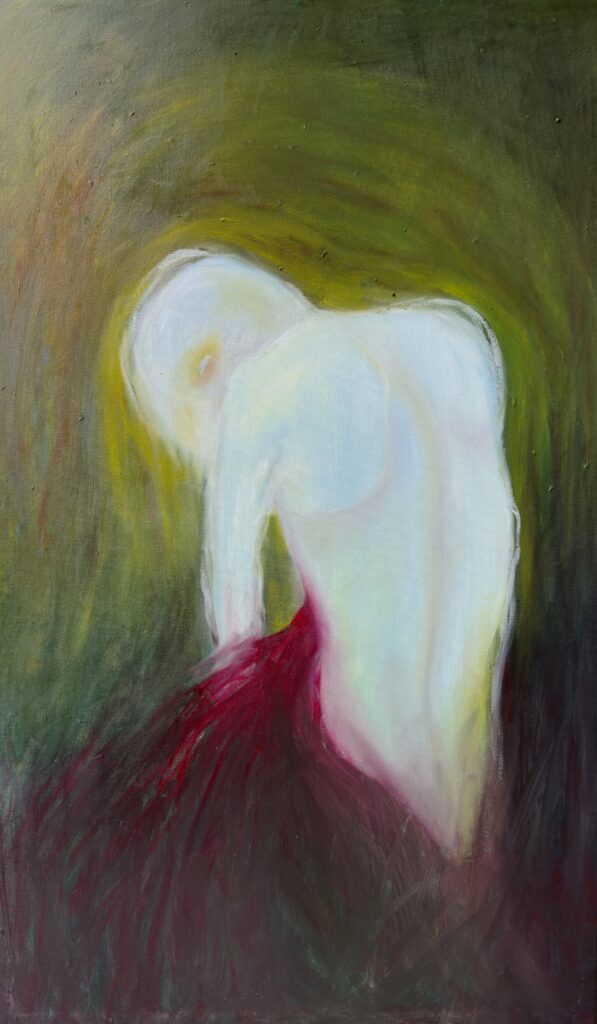
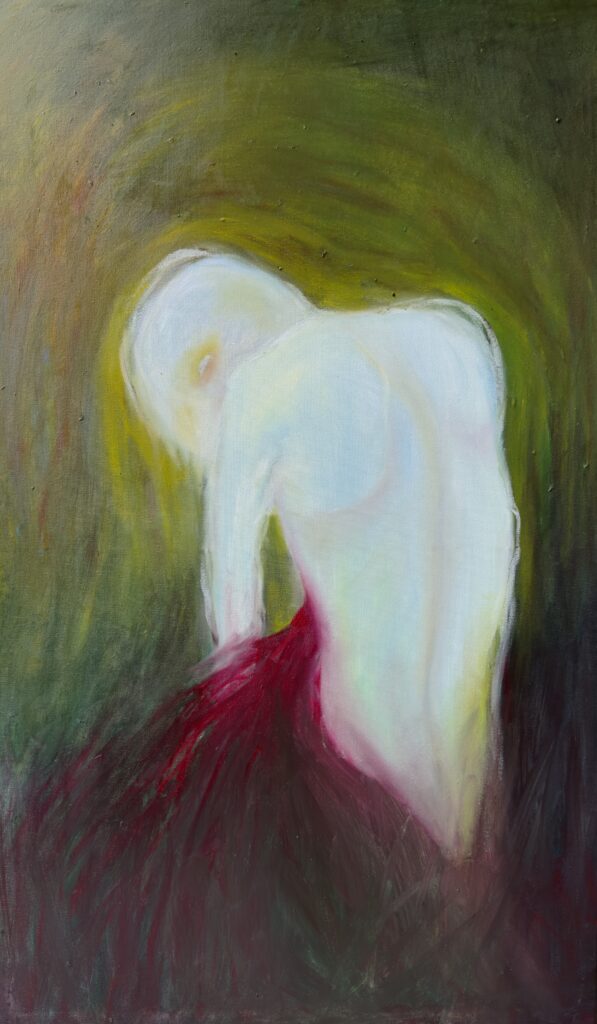
@videoinsightfoundation – ETS acquires the artwork “Self-portrait with stoma” (oil on canvas, 100 x 60 cm, 2026) by Artist @sebastiano_sofia. The piece was part of the group exhibition “Caregiver”— curated by @rebeccarusso.videoinsight and promoted by @videoinsightfoundation— held at @magazziniartecontemporanea in Trapani from July 29 to August 29, 2026.

“This self-portrait stems from the experience of having a stoma, an event that radically transformed my relationship with my body. For months, caring for myself meant performing simple yet essential daily actions: cleaning, dressing the wound, observing, and accepting. It was a ritual defined by fragility, patience, and listening. Yet, this act of #care was not merely physical; it was also a mental and emotional exercise—learning to inhabit a changed body and confronting fear, shame, and uncertainty. I did not walk this path alone. The presence of those who stood by me — doctors, nurses, family, and friends —reminded me that #takingcare is always a relationship, a shared act. This painting was born from that experience: it tells the story not just of a wound, but of the possibility of rediscovering a sense of tenderness toward one’s own body, even when it seems to have become a stranger.” Sebastiano Sofia

“Sebastiano Sofia’s work is distinguished by a fluid, organic, and evocative painting style, in which the human figure dissolves into metamorphic forms. The application of paint is liquid and layered. Body contours are never sharp or rigidly defined; instead, they appear soft — almost gelatinous or membranous — reflecting the fluidity of the body’s interior and the mutable nature of flesh. Sofia’s palette employs organic and flesh-toned hues: shades of pink, visceral reds, pale blue-white tones, and areas of warm or earthy shadow. The color is not descriptive in a realistic sense, but rather emotional and sensorially perceptive. The atmosphere is suspended in time, hovering between the dreamlike and the clinical or anatomical. The figure seems to emerge from or sink into the background, creating a sense of privacy that is simultaneously violated and embraced, where the delicacy of the brushwork softens the impact of the exposed medical condition. His artistic exploration transforms biological fragility and the marks of illness into an act of pure visual poetry. The work aligns with the primary objective of Videoinsight®: using painting as a psychotherapeutic tool to bring deep inner insights to the surface.

In Self-portrait with Stoma — an intimate, visceral self-portrait — the Artist confronts the complexities of the vulnerable body, the nature of #care, and the reclamation of bodily identity. He lays bare his physical and psychological state regarding the presence of a stoma — a permanent or temporary anatomical alteration that radically transforms one’s relationship with their own body. Within the context of the exhibition Caregiver — created to explore concepts of care, dependency, empathy, and physical and emotional support — the painting acts as a bridge between two dimensions: the body as a site of care, where the stoma ceases to be a mere clinical detail and becomes the conceptual core of the work— a symbol of human vulnerability and the need for acceptance; the act of self-caregiving: even before receiving care from others, the figure is immortalized in the act of managing, observing, and inhabiting their own condition.” Rebecca Russo
Selena Leardini

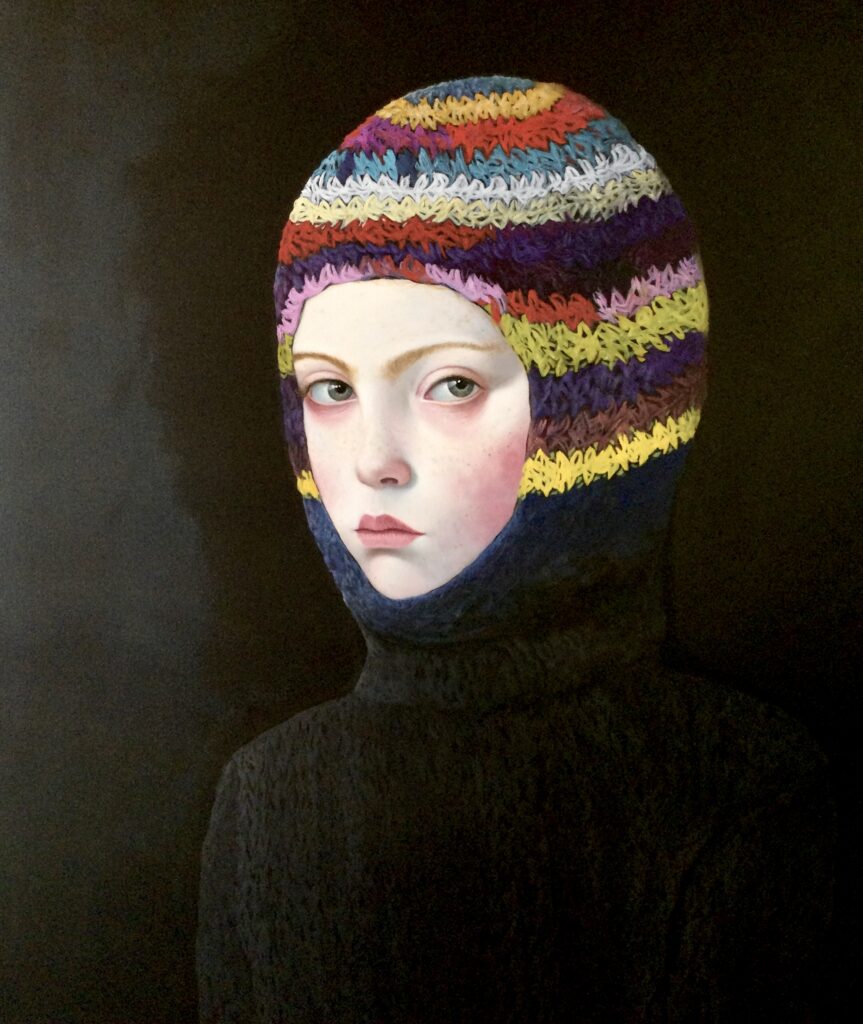
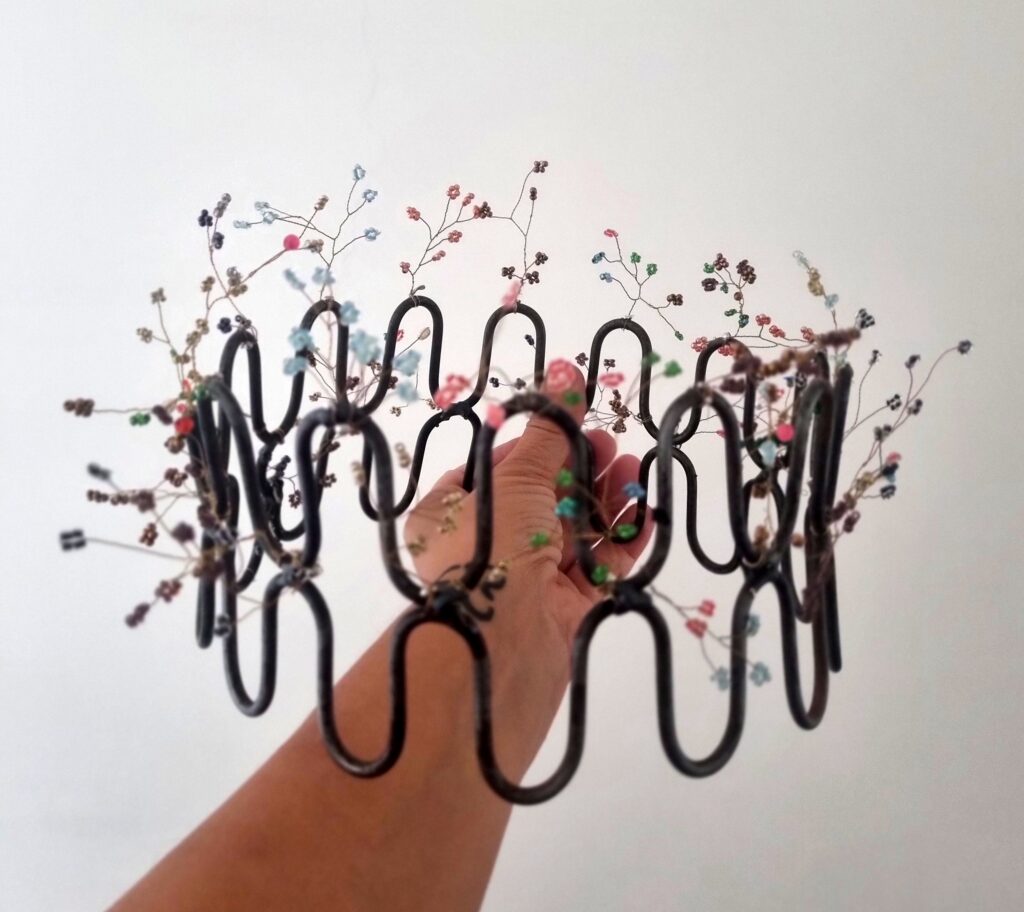
The Videoinsight® Collection acquires the work ‘Nero’ (oil on canvas, 60 x 70 cm, 2026) by Artist @selenaleardini. The piece was featured in the group exhibition “Caregiver,” curated by @rebeccarusso.videoinsight, promoted by the @videoinsightfoundation, and held at @magazziniartecontemporanea in Trapani from July 29, 2026, to August 29, 2026.

“In ‘Nero’ Selena Leardini succeeds in giving visible form to the invisible, illuminating the shadowy recesses of the psyche, and transforming fragility into a precious opportunity for #care and awareness. The work addresses pain and human vulnerability; it transforms darkness into a space for listening, acceptance, and emotional processing. The painting’s psychodynamic, evocative, and conceptual impact stirs a powerful emotional resonance. Through a figurative language that is both delicate and incisive, ‘Nero’ triggers mechanisms of identification and introspection — processes essential to activating the Videoinsight® experience (psychological insight). The addition of ‘Nero’ to the Videoinsight® Collection aligns with a specific curatorial and scientific research direction based on the Videoinsight® Method, which recognizes the artwork as possessing therapeutic value, serving as a transformative resource, and acting as a powerful stimulus for inner growth.” Rebecca Russo
“This work presents itself as an intimate, profound reflection on the theme of #care. It does not depict an explicit action but evokes its essence through a central symbol: the knitted cap. The hand-knitted wool becomes a metaphor for the slow, repetitive, and patient act of caring for another. Every intersecting strand calls to mind the time dedicated to another person — the silent continuity of a commitment that often goes unseen. It is a daily practice that seeks no spectacle, yet builds protection, warmth, and presence. Here, care is not merely physical but also mental and emotional. Just as the cap envelops and protects, so too does the #caregiver shoulder the burden of not only the physical body but also the inner fragility — both their own and that of the other. The act of knitting thus transforms into a relationship: a bond that supports, holds, and keeps us together. The contrast with the black background amplifies this meaning. The darkness can be interpreted as a space of solitude, exhaustion, and a lack of recognition. It is the context in which caregivers often operate — a largely private realm where the value of their actions often goes unnoticed. Yet, it is precisely against this blackness that the colors emerge with striking force. They are signs of life and humanity that persist despite everything. The work thus constructs a narrative of care as a slow, continuous act capable of generating meaning even within the void, inviting us to reflect on the very thing that— while often hidden — holds us together.” Selena Leardini

Savina Capecci

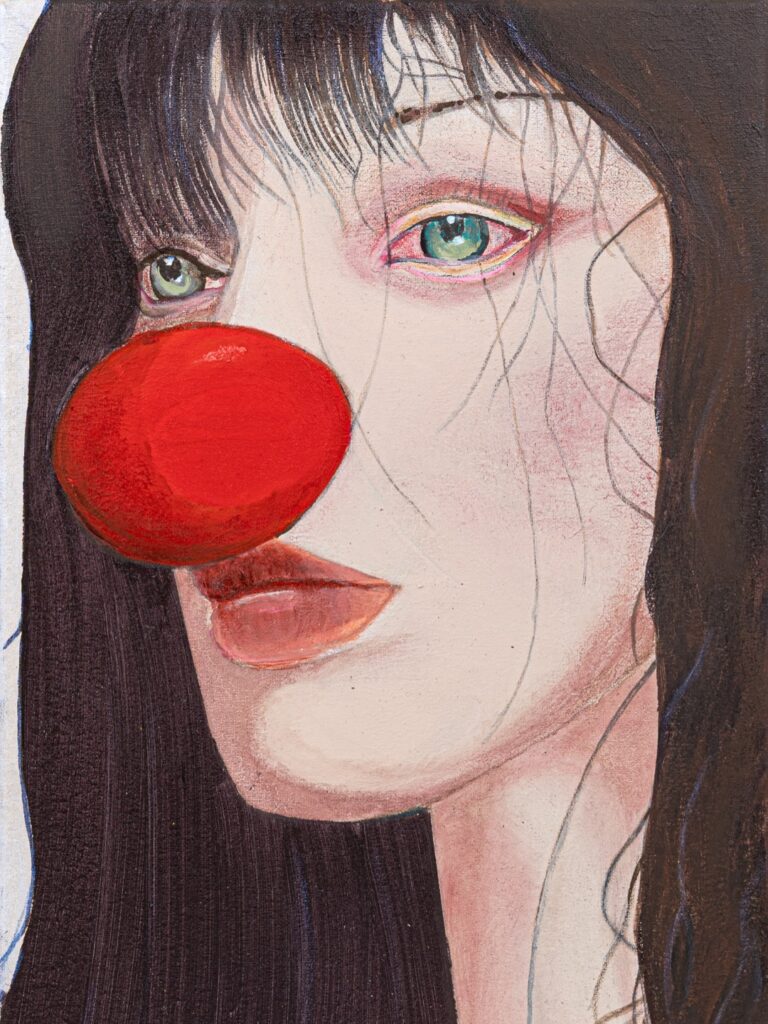
@videoinsightfoundation acquires for the Videoinsight® Collection #videoinsightcollection the work ‘Bella e (simpatica)’, acrylic and oil on canvas, 30 x 20 cm, 2025, by Artist Savina Capecci. The painting was part of the group exhibition “Caregiver,” curated by @rebeccarusso.videoinsight and promoted by @videoinsightfoundation at @magazziniartecontemporanea in Trapani between July 29, 2026, and August 29, 2026.

” ‘Bella (e simpatica)’ is a portrait of a young woman, characterized by
a visual duality. The composition depicts a face with weary features, highlighted by reddish makeup around the green eyes that gives the gaze an almost worn-out quality. The central, dominant element is a red clown nose. This nose — usually a symbol of joy or entertainment — takes on an almost painful, performative connotation. It is the mask that the #caregiver is sometimes forced to wear to project cheerfulness and amiability — as ironically suggested by the title — in order to lift the spirits of the person being cared for, even when their own spirit is exhausted or grieving. The red nose acts like a superficial bandage, concealing the fatigue and the invisibility of one’s own pain. The contrast between the woman’s weary expression and the clown emblem highlights the tension between inner reality and forced performance.” @savinacapecci

The artwork ‘Bella (e simpatica)‘ by @savinacapecci acquired by the @videoinsightfoundation for the Videoinsight® Collection, captures — with raw yet empathetic beauty — one of the deepest and most silent human dynamics: the condition of the #caregiver. Through an authentic and engaging visual language, the work conveys — with extraordinary emotional resonance — warmth, lightness, and a profound understanding of human fragility. The painting transforms the artistic experience into an act of care and comfort. It stands out for its expressive immediacy, depth of meaning, and ability to evoke an emotional response. Through the figure of a woman who is strikingly beautiful yet marked by pain, the artist creates a powerful visual and emotional contrast. The protagonist’s eyes — swollen with sadness and traced by genuine tears — tell a story of depression, loneliness, and physical and mental exhaustion. They reflect the gaze of someone bearing an invisible yet crushing weight, worn down by the daily toil of caregiving. Breaking this tableau of inner suffering is an element that feels alien yet holds immense symbolic value: a clown’s nose. This detail transforms the woman into a living mask. The red nose represents the moral and emotional obligation the caregiver feels compelled to fulfill every day: to act as if nothing is wrong, to wear a forced smile, and to project lightness and cheerfulness in order to lift the spirits of the person in their care. It embodies the paradox of having to be a source of joy and comfort for others precisely while feeling hollowed out inside. The woman’s physical beauty — hinted at in the title —serves as an ironic backdrop to her profound fragility, as she is reduced to the social role of someone expected to always be “beautiful and, above all, cheerful.” Rebecca Russo
Savina Capecci

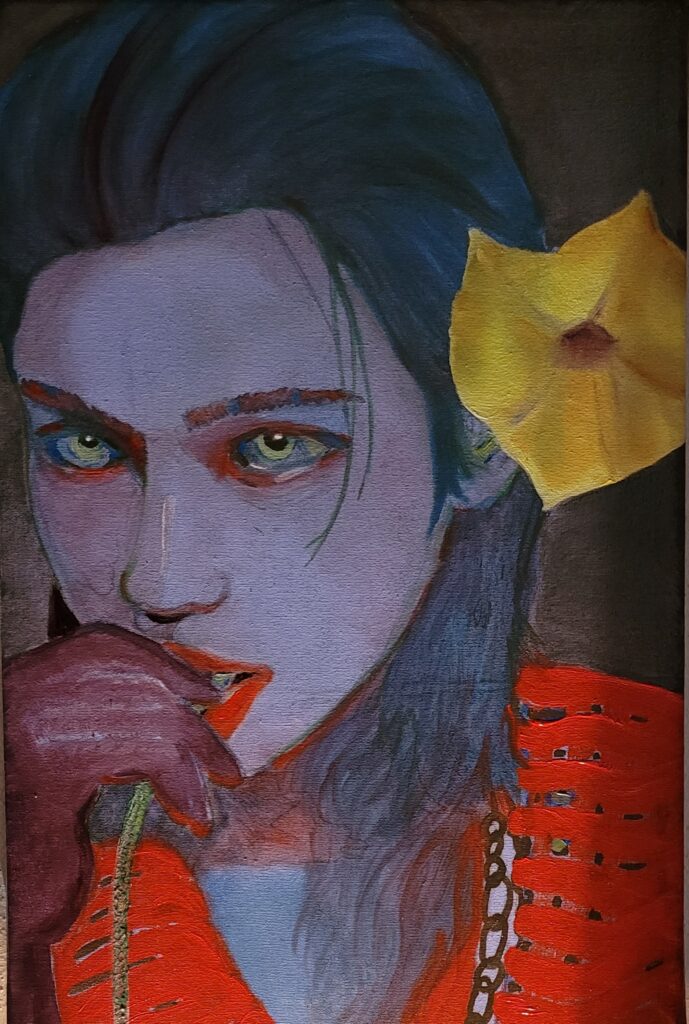
@videoinsightfoundation acquires for the Videoinsight® Collection the artwork ‘NeuroFlora’, an oil on canvas painting (30 x 20 cm, 2026) by Artist Savina Capecci. The painting was featured in the group exhibition “Caregiver,” curated by @rebeccarusso.videoinsight and promoted by @videoinsightfoundation at @magazziniartecontemporanea in Trapani between July 29 and August 29, 2026.” In ‘NeuroFlora,’ a cool-toned face emerges as a welcoming space, while a yellow flower — nestled between the figure’s ear and mouth — serves as a visual metaphor for an inner metamorphosis: the act of listening is never passive, but transformative. For the Caregiver, listening is a process in which the other person’s words, silences, and suffering enter one’s own sensory system, are processed, and bloom into a new form — an understanding that manifests as care, kindness, and closeness. The flower acts as a biological and poetic bridge, illustrating how the lived experience of the care recipient is metabolized by the #caregiver, moving from the ear (receiving sound and story) to the mouth (words that comfort, translate pain, and restore dignity to another’s experience). ‘NeuroFlora’ reminds us that caring for someone requires a profound personal transformation: the ability to absorb the essence of the other and allow it to bloom, once again, as shared empathy.” @savinacapecci

“The acquisition of the artwork ‘NeuroFlora’ celebrates an artistic inquiry that sits at the intersection of art, neuroscience, and profound perception. The painting functions as a symbolic and cognitive device, perfectly aligned with the Videoinsight Foundation’s mission: to promote works that spark processes of reflection, awareness, and inner resonance (#videoinsight).

‘NeuroFlora’ does not merely invite observation; it demands to be experienced through a visual architecture that intertwines and amplifies multiple sensory channels.

Vision. The Eye. The Gaze – The painting embraces the presence of the eye as its primary focal point. It is not merely the organ of sight, but a symbol of awareness, active perception, and introspection. It is a gaze that observes the observer, reversing the roles of viewer and artwork and transforming the act of seeing into one of pure presence.

Listening. Hearing – Alongside the visual dimension, an open yellow flower blooms. Yellow—a vibrant, solar color associated with the opening of the blossom—becomes a metaphor for listening and auditory receptivity. The flower acts as a sounding board or a natural auricle, ready to capture external vibrations and translate them into emotional resonance.

Touch. Contact. Connection – The image of a hand completes this multisensory system, bringing the themes of touch and contact to the fore. The hand is the organ of care and physical connection with the world—an instrument of gestures that shape and explore. It serves as the meeting point between the inner and outer realms, between matter and feeling.

The extraordinary power of ‘NeuroFlora’ lies in the way these elements are woven into a single, unified tapestry. Conceptual: #vision, #hearing, and #touch do not operate in isolation but integrate, evoking a synesthetic dimension. The work suggests that human perception is not a sum of separate senses, but a dense neural and symbolic network in which seeing is also hearing, and touching is another way of looking. Rebecca Russo
Sebastiano Sofia

@videoinsightfoundation has acquired the work “Self-portrait with stoma” (oil on canvas, 100 x 60 cm, 2026) by Artist @sebastiano_sofia for the Videoinsight® Collection. The piece was part of the group exhibition “Caregiver,” curated by @rebeccarusso.videoinsight and promoted by @videoinsightfoundation at @magazziniartecontemporanea in Trapani (July 29 – August 29, 2026).

“This self-portrait stems from the experience of having a stoma — an event that radically transformed my relationship with my body. For months, caring for myself meant performing simple yet essential daily actions: cleaning, dressing the wound, observing, and accepting. It was a ritual defined by fragility, patience and listening. Yet, this act of #care was not merely physical; it was also a mental and emotional exercise — learning to inhabit a changed body and confronting fear, shame, and uncertainty. I did not walk this path alone. The presence of those who stood by me —d octors, nurses, family, and friends —reminded me that #takingcare is always a relationship, a shared act. This painting was born from that experience: it tells the story not just of a wound, but of the possibility of rediscovering a sense of tenderness toward one’s own body, even when it seems to have become a stranger.” Sebastiano Sofia
Sebastiano Sofia’s work is distinguished by a fluid, organic, and evocative painting style, in which the human figure dissolves into metamorphic forms. The application of paint is liquid and layered. Body contours are never sharp or rigidly defined; instead, they appear soft — almost gelatinous or membranous — reflecting the fluidity of the body’s interior and the mutable nature of flesh. In Self-portrait with stoma — an intimate, visceral self-portrait — the artist confronts the complexities of the vulnerable body, the nature of #care, and the reclamation of bodily identity. He lays bare his physical and psychological state regarding the presence of a stoma — a permanent or temporary anatomical alteration that radically transforms one’s relationship with their own body. Sofia’s palette employs organic and flesh-toned hues: shades of pink, visceral reds, pale blue-whites, and areas of warm or earthy shadow. The color is not descriptive in a realistic sense, but rather emotional and sensory. The atmosphere is suspended in time, hovering between the dreamlike and the clinical-anatomical realm. The figure seems to emerge from or sink into the background, creating a sense of privacy that is simultaneously violated and embraced, where the delicacy of the brushwork softens the impact of the medical condition on display. His painterly exploration transforms biological fragility and the mark of illness into an act of pure visual poetry. The work aligns with the primary objective of Videoinsight®: using painting as a psychotherapeutic tool to bring deep inner insights to the surface.

Within the context of the Caregiver exhibition — created to explore concepts of care, dependency, empathy, and physical and emotional support — the painting acts as a bridge between two dimensions:

  • the body as a site of care: the stoma ceases to be a mere clinical detail and becomes the conceptual focal point of the work, a symbol of human vulnerability and the need for acceptance;
  • the act of self-caregiving: even before receiving care from the outside, the figure is immortalized in the act of managing, observing, and inhabiting their own condition.” Rebecca Russo